When it comes to packaging premium products, glass vials are increasingly becoming the go-to choice for many brands. Known for their elegance, durability, and ability to preserve the integrity of sensitive products, glass vials offer a sophisticated solution for packaging a wide range of high-end items. Whether it’s luxury fragrances, high-quality serums, or specialty pharmaceuticals, the choice of packaging speaks volumes about the product inside.
But what makes glass vials so desirable for premium packaging?
In this article, we’ll explore the key reasons why glass vials continue to dominate the premium packaging industry, ensuring both quality preservation and a luxurious presentation.
What Makes Glass Vials the Ideal Packaging for Premium Products?
Glass vials have long been the preferred packaging choice for premium products, and for good reason. One of the most significant advantages is the material’s ability to preserve product integrity. Unlike plastic, glass is non-reactive, ensuring that sensitive substances such as perfumes, serums, and pharmaceuticals are not affected by the packaging.
Glass also offers superior protection against moisture, oxygen, and UV rays, which can degrade the quality of the product over time. This is especially important in industries such as cosmetics and pharmaceuticals, where the product’s efficacy is closely tied to its exposure to environmental factors.
According to a 2021 study by Grand View Research, the global glass packaging market is expected to reach USD 75.1 billion by 2028, growing at a 5.7% CAGR, driven by its widespread use in premium products like fragrances and luxury cosmetics.
How Do Glass Vials Ensure Product Integrity and Quality?
Glass vials from a professional company play a crucial role in ensuring the integrity and quality of premium products, particularly those that are sensitive to environmental factors. Glass is a non-reactive material, meaning it doesn’t interact with the contents inside, unlike plastics, which can leach chemicals over time.
This quality makes glass vials the perfect choice for preserving the purity of high-end products, such as fragrances, serums, and pharmaceuticals.
Additionally, glass offers superior barrier properties. It effectively protects against moisture, oxygen, and UV rays, all of which can degrade the quality of a product. For instance, UV rays can alter the chemical composition of skincare products or fragrances, causing them to lose their effectiveness. Glass vials, often paired with protective features like colored glass or UV-blocking coatings, safeguard the contents from harmful light exposure.
Glass vials also provide an airtight seal, which helps to prevent the oxidation of sensitive ingredients, preserving their freshness and extending shelf life. This is especially important in the cosmetic and pharmaceutical industries, where the active ingredients in a product can be easily compromised by exposure to air or contaminants.
As a result, glass vials ensure that the product remains effective and maintains its original quality throughout its lifespan.
Why Are Glass Vials Considered the Best for Preserving Fragrance and Liquids?
Glass vials are widely considered the best packaging option for preserving fragrance and liquids due to their unique properties that prevent degradation and maintain the quality of the contents over time. One of the key reasons for this is that glass is non-porous and non-reactive, meaning it doesn’t interact with the ingredients inside.
This is crucial for fragrances, which contain delicate compounds that can easily be altered or contaminated by materials like plastic. Unlike plastic, glass doesn’t leach chemicals into the liquid, ensuring that the fragrance remains pure and unchanged.
Additionally, glass vials provide an excellent barrier to external factors such as moisture, oxygen, and UV light, all of which can deteriorate the integrity of liquids like perfumes and essential oils. UV light, for example, can cause the volatile compounds in fragrances to break down, leading to a loss of scent. To counter this, many glass vials are designed with colored or opaque glass that blocks harmful light rays, preserving the fragrance’s composition.
Experiment Conducted by a Perfume Brand:
An experiment conducted by a perfume brand compared the preservation of fragrance in glass and aluminum bottles over six months. Both bottles contained the same perfume and were stored in identical conditions. The results showed that the perfume in the aluminum bottle experienced only a 5% loss of fragrance components, while the perfume in the glass bottle saw a 15% reduction.
This experiment highlights that aluminum bottles may offer superior protection against factors that degrade fragrance quality compared to glass bottles. However, it’s important to note that glass is still favored for perfume packaging due to its non-reactive nature and aesthetic appeal. The choice between glass and aluminum should consider factors such as desired product longevity, brand positioning, and consumer preferences.
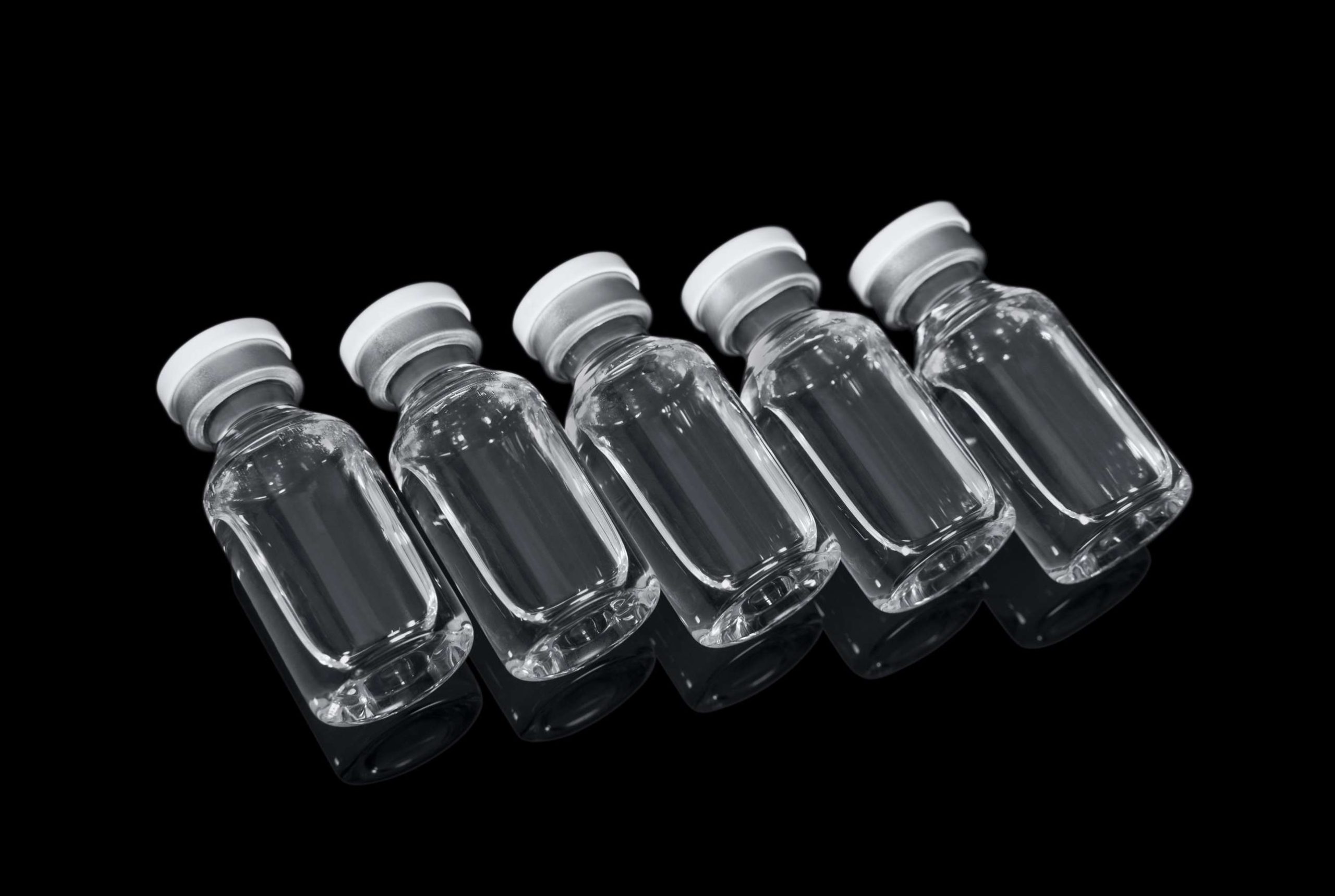
How Do Glass Vials Provide Superior Protection Against External Elements?
Glass vials offer superior protection against external elements due to their inherent material properties and design features. Interested to know more? Let’s discuss this in detail!
- Non-reactive Nature:
Glass is chemically inert, meaning it doesn’t interact with the contents inside. Unlike plastic, which can release harmful chemicals over time, glass preserves the purity of liquids, including fragrances, essential oils, and pharmaceuticals, without altering their composition.
- Moisture and Oxygen Barrier:
Glass vials act as an effective barrier to moisture and oxygen. These elements can degrade the quality of products, especially those with active ingredients or fragrances. Glass prevents moisture from seeping in and keeps oxygen out, thereby preventing oxidation, which can lead to spoilage or loss of effectiveness.
- UV Light Protection:
Many glass vials are made from colored or opaque glass (such as amber or cobalt blue), which acts as a shield against harmful UV rays. UV light can cause chemical reactions that degrade fragrance or liquid contents. By blocking these rays, glass helps preserve the integrity of the product, preventing changes in scent, color, and texture.
- Airtight Seal:
Glass vials often feature an airtight seal, which provides an additional layer of protection against contaminants and air exposure. This is particularly important for products like pharmaceuticals and cosmetic serums, which require a stable, contaminant-free environment to maintain their efficacy.
How Are Glass Vials Customizable for Different Premium Products?
Glass vials are highly customizable, making them an ideal packaging solution for a wide variety of premium products. From fragrances and cosmetics to pharmaceuticals, these vials can be tailored to meet both functional and aesthetic needs. Customization options include shape, size, color, and design features to suit the specific requirements of different products and brands.
The shape of a glass vial can be molded to match the brand’s identity, whether it’s sleek and modern or elegant and vintage. Colors can be customized to protect sensitive contents from UV light or to align with brand aesthetics. For example, amber or cobalt blue glass is often used for light-sensitive liquids like essential oils and perfumes, as it blocks harmful UV rays that could degrade the product.
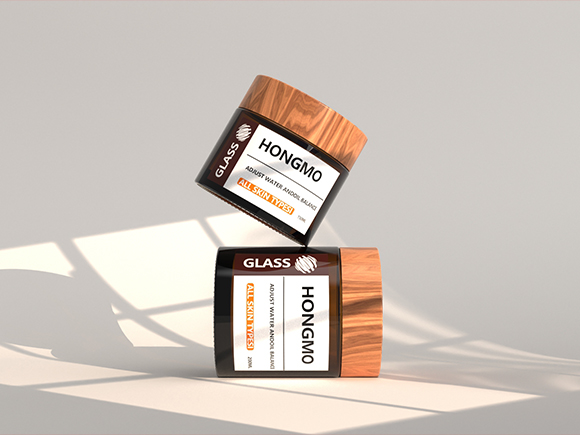
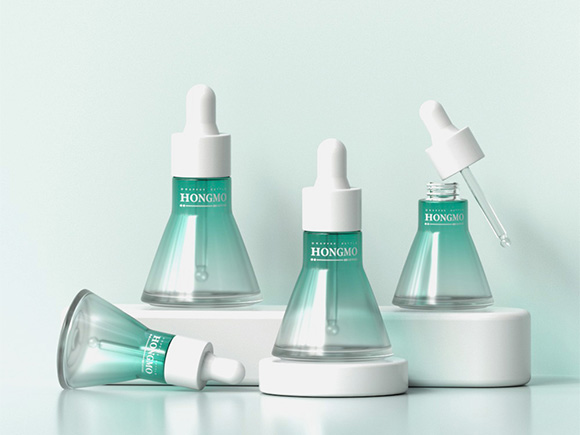
In terms of design, glass vials can be embossed or screen-printed with logos, product names, or unique patterns to enhance brand recognition and add a premium touch. Additionally, vials can be equipped with customized caps or droppers for precise dispensing, catering to products that require controlled application, such as high-end serums or pharmaceutical substances.
Glass vials can also come with special finishes, like matte or glossy coatings, to create a more refined, luxurious feel. These customizations allow businesses to create distinctive packaging that not only protects their products but also enhances the overall consumer experience, making glass vials a versatile and attractive choice for premium goods.
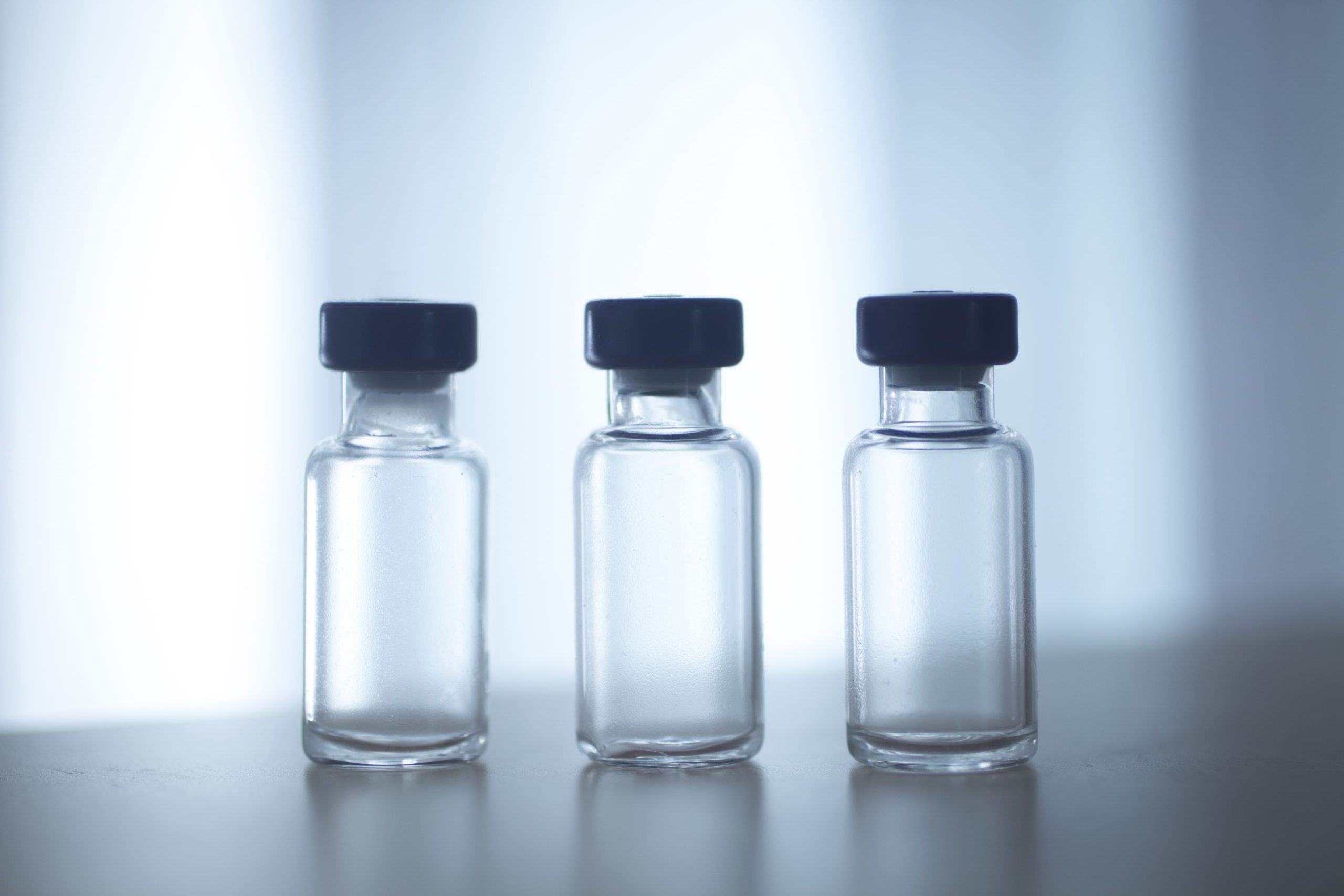
What Trends Are Shaping the Use of Glass Vials in Premium Product Packaging?
The use of glass vials in premium product packaging is influenced by several key trends. First, sustainability is a major driver, as glass is 100% recyclable, meeting the growing demand for eco-friendly packaging. The global glass packaging market is projected to reach USD 75.1 billion by 2028, reflecting this shift.
Additionally, minimalist designs are becoming increasingly popular, especially in the beauty and fragrance sectors, where glass vials offer a sleek, transparent design that enhances the product’s appeal. Customization is another trend, with brands opting for personalized packaging to stand out in the competitive market.
The cosmetics industry, growing at a 5.3% CAGR, heavily relies on customized glass vials to maintain exclusivity. Smart packaging, incorporating technology like QR codes and sensors, is also gaining traction, with the smart packaging market expected to reach USD 46.8 billion by 2027.
Finally, the rise of luxury and premium products has led to the use of glass vials to maintain a high-end, sophisticated brand image. These trends highlight the evolving role of glass vials in premium packaging, offering brands an ideal solution for both functionality and aesthetic appeal.
Conclusion:
No doubt, glass vials continue to be the preferred choice for premium product packaging, driven by trends like sustainability, minimalist design, customization, smart packaging, and luxury appeal. Their ability to preserve the integrity of high-quality products while offering a sleek, functional, and eco-friendly solution makes them an ideal packaging option across various industries.
If you’re looking for high-quality glass vials for your premium products, contact Hongmo Glass today to get a quote and explore our customizable packaging solutions tailored to your needs.