Luxury cosmetic packaging design choices directly impact a brand’s perceived value and product return rates. A poorly engineered bottle with a cheap tactile feel or a leaky seal can undermine a premium formula, leading to negative reviews and lost customer loyalty before the product is even used.
This 2026 trend guide provides a manufacturing framework for brand owners and designers. We analyze the engineering behind premium features, from the tactile quality of High Flint Glass to the performance standard of zero-leakage seals, to ensure your design concept is both inspiring and commercially viable.
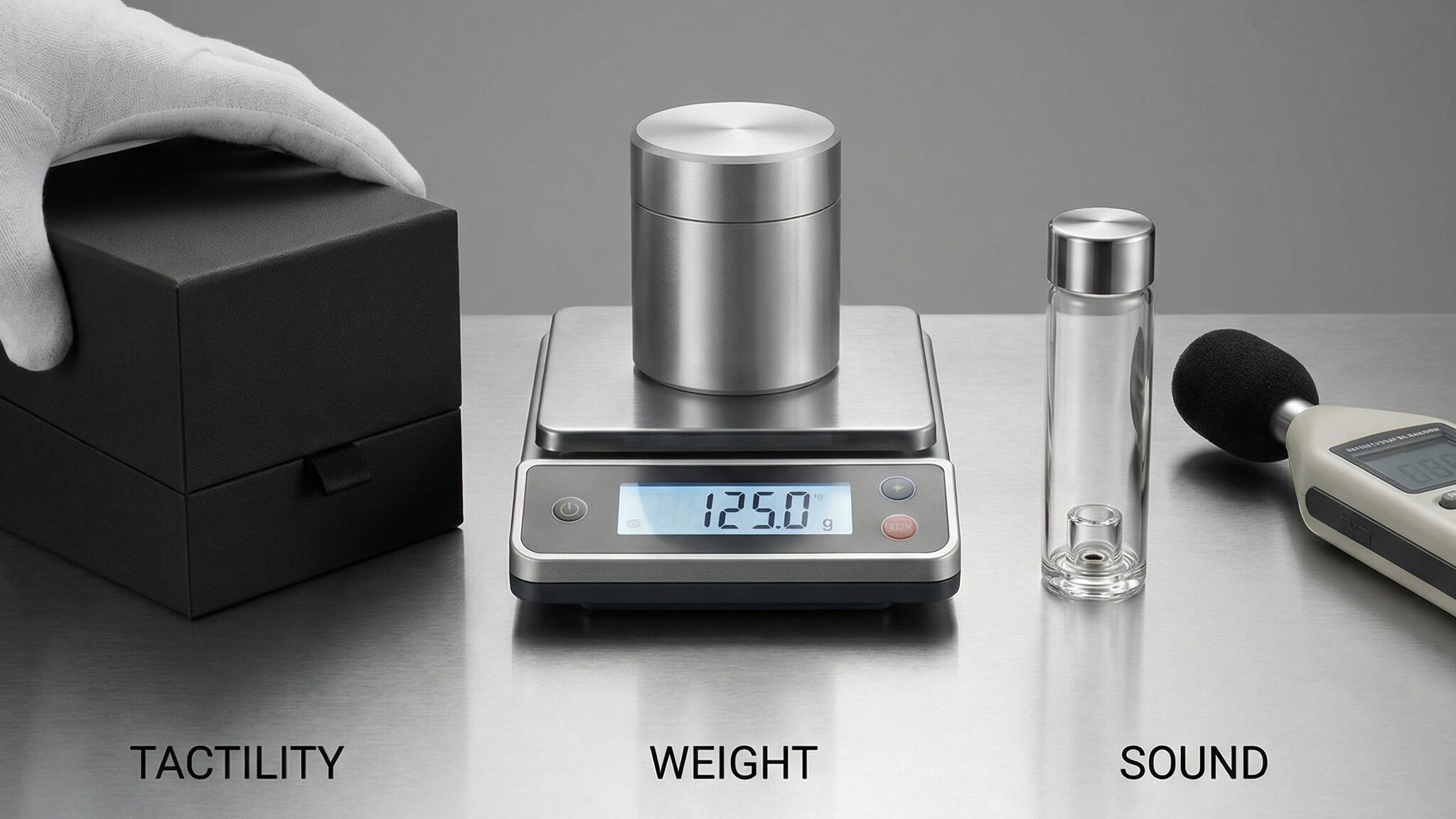
The 3 Pillars of Luxury Design: Tactility, Weight, Sound
Luxury packaging today is a multi-sensory experience. Tactility builds connection, intelligent lightweighting signals efficiency, and sound, like a cap’s click, conveys precision engineering.
The definition of “premium” has moved beyond simple visual appeal. For cosmetic packaging, luxury is now communicated through a combination of sensory inputs that tell a story of quality and attention to detail. How a package feels in the hand, its perceived density, and even the sounds it makes are all deliberate engineering choices.
| Sensory Pillar | Modern Interpretation in Cosmetics |
|---|---|
| Tactility | Creates an emotional connection. The physical sensation of materials like frosted glass or textured finishes communicates quality before the product is even used. |
| Weight | The old idea of “heavy equals expensive” is gone. Today’s luxury is about smart “lightweighting”—using less material efficiently without feeling cheap. |
| Sound | Auditory feedback serves as a cue for build quality. The satisfying click of a magnetic cap or the smooth action of a pump suggests precision engineering and a well-made product. |
How Sensory Details Define Premium Packaging
Modern luxury is an experience, not just an object. Brands are moving away from overt opulence and toward subtle cues that signal craftsmanship. This shift puts the focus squarely on the physical interaction between the consumer and the package.
- Tactility as the First Impression: The feel of a package is a primary marker of its value. Elements like frosted glass, soft-touch coatings, and embossed textures create an immediate, tangible sense of quality that visual design alone cannot match.
- Weight as a Signal of Intent: Heavy packaging used to be the default for luxury, but this is an outdated concept. The new standard is intelligent lightweighting, which communicates a brand’s commitment to sustainability and modern engineering by using less material without sacrificing a premium feel.
- Sound as an Audit of Quality: The subtle sounds a package makes are powerful psychological cues. A crisp, secure click from a closure or the quiet, smooth actuation of a pump provides auditory proof of precision fit and finish.
Engineering Tactile Quality in Glass Manufacturing
A premium tactile experience isn’t an accident; it’s the result of strict material sourcing and process control. We focus on the foundational elements of the glass itself to build a base of quality that surface treatments can then enhance.
- Crystal-Like Material Base: We use high flint glass sourced from premium quartz sand. This ensures exceptional transparency and a crystal-like texture, free from the impurities that can mar the surface feel of lower-grade materials.
- Seamless Surface Finish: We tightly control our mold closing lines to be ultra-fine. This minimizes the barely-perceptible seams on the glass, resulting in a smooth, uninterrupted surface that feels flawless in the hand.
- Custom Tactile Signatures: We offer a complete range of surface finishes to match any brand aesthetic. This includes frosting, hot stamping, electroplating, and various spray coatings, allowing brands to create a unique and memorable tactile identity.
Trend 1: Frosted Glass
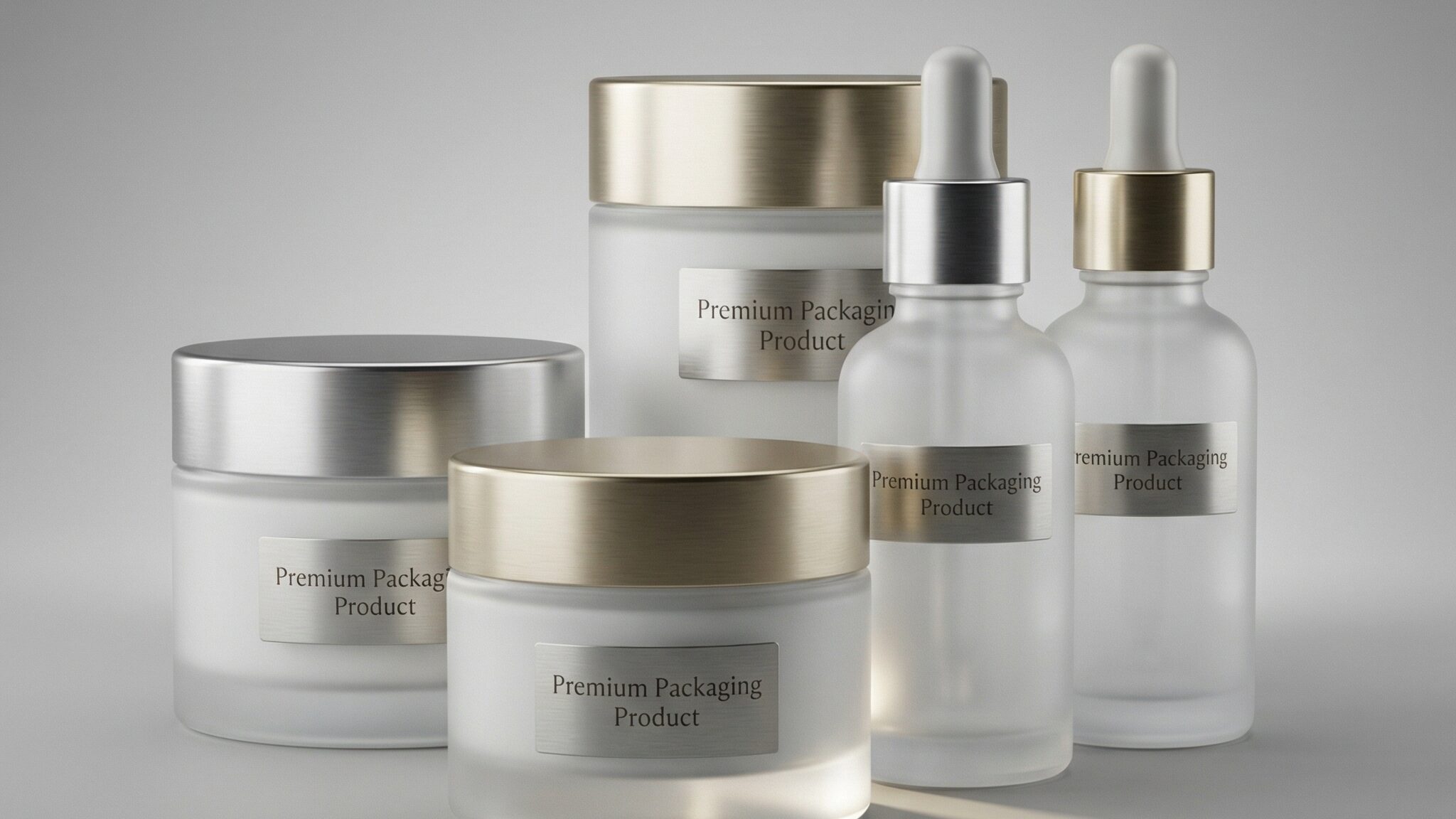
Frosted glass leads luxury trends with its elegant, matte finish for a premium feel. It also provides UV protection for sensitive ingredients, blending high-end aesthetics with performance.
The Dual Appeal of Aesthetics and Protection
Frosted glass has become a go-to for luxury brands because it works on two levels. First, the matte, elegant finish provides a premium tactile experience that consumers associate with quality. It feels different from standard glass, creating a sensory cue that elevates the product before it’s even opened.
Second, it serves a critical functional purpose. The frosted exterior protects light-sensitive formulations from UV degradation. This is essential for products like serums, essential oils, and fragrances where active ingredients can lose potency when exposed to light, ensuring the product inside remains effective.
Custom Frosting and Surface Treatments
Our surface finishing capabilities include expert frosting to deliver that consistent, high-quality matte look brands demand. We control the process to ensure a uniform finish without imperfections.
We also combine frosting with other decorative techniques. A brand can create a truly distinctive design by layering screen printing or metallic hot stamping over a frosted base. This multi-textured approach makes the final package stand out and reinforces a premium brand identity.
Trend 2: Jewel-Toned & Gradient Metallization
This trend combines rich, jewel-like colors with reflective metallic surfaces using spray coating and electroplating. It creates transitional color gradients that communicate premium quality and sophisticated design.
The Appeal of Luster and Color
Metallized surfaces have a lustrous gleam that catches the eye on a retail shelf, immediately signaling a high-value product. The reflectivity communicates a clean, premium quality before the customer even touches the package. This visual cue is a powerful tool in a crowded market.
This trend moves beyond a simple chrome or gold finish. It’s about layering in soft gradients and deep, saturated colors—like sapphire, emerald, or ruby—to create visual depth. The result is a dynamic finish that appears to shift with light, giving the packaging a feeling of permanence and sophisticated craftsmanship that luxury consumers expect.
Executing the Finish: Spray Coating & Electroplating
Achieving this effect isn’t a happy accident; it’s a specific manufacturing capability. Our advanced spray coating lines are engineered to apply these smooth, consistent color gradients onto the glass surface with high precision. The underlying metallic base comes from our electroplating process, which provides a durable and brilliantly lustrous foundation.
By combining these two in-house techniques, we get precise control over the final look. We can fine-tune color transitions and metallic effects to perfectly match a brand’s specific identity, ensuring the final product looks exactly as intended.
Trend 3: Permanent Objects
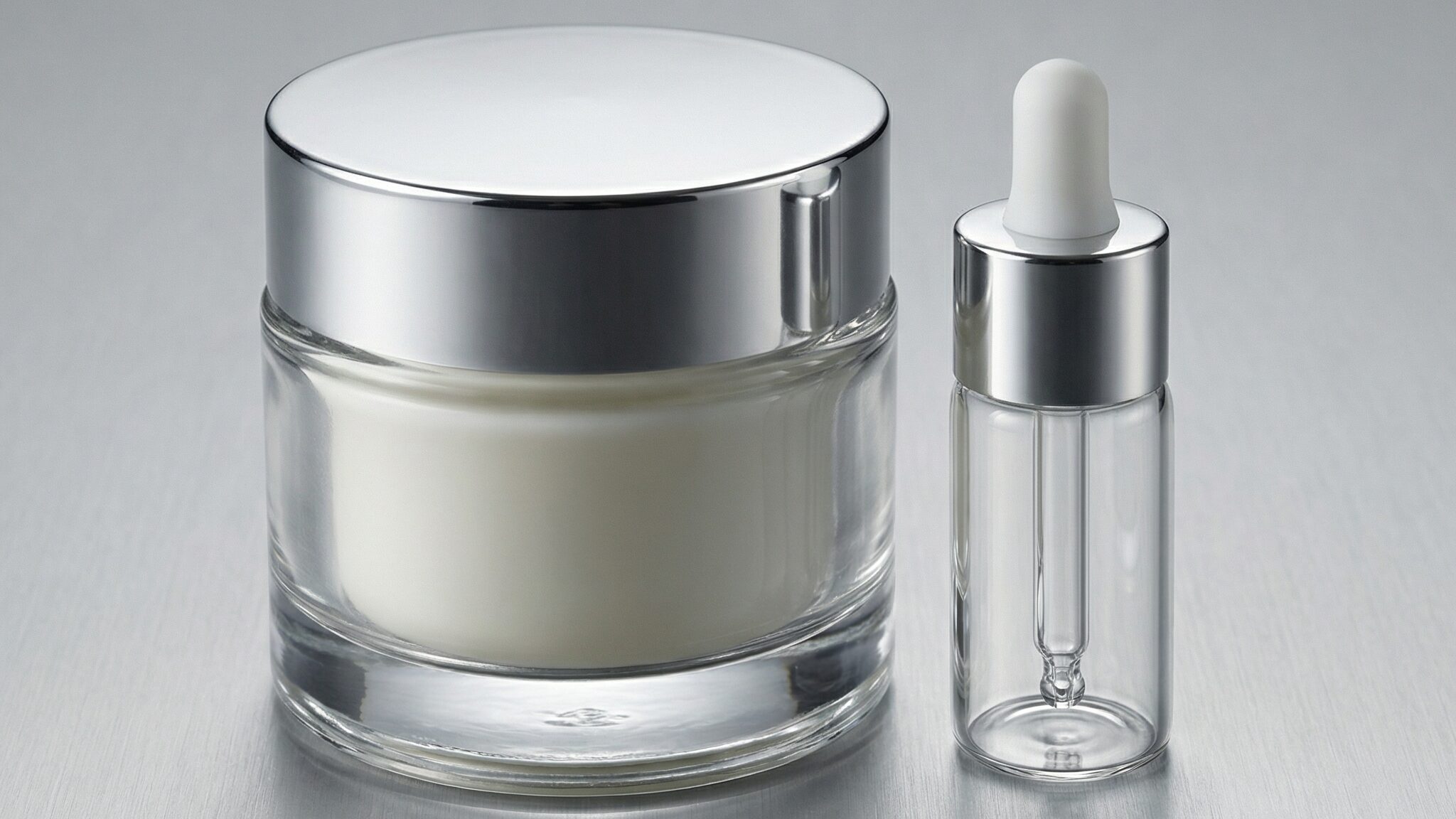
Luxury packaging is shifting from single-use items to durable heirlooms. Premium glass forges lasting connections with consumers who demand refillable options, building stronger brand loyalty.
The Shift Toward Reusable Heirloom Packaging
The concept of “permanent objects” redefines packaging from a disposable wrapper to a valuable, long-term asset. Brands are designing containers to function as lasting keepsakes, creating an enduring emotional connection with the user every time they interact with the product. This isn’t just a niche idea; it’s driven by clear consumer demand.
- Designing for Permanence: The goal is to create a container that feels like a permanent fixture on a vanity, justified by its durability, reusability, and premium material quality.
- Consumer Demand: This trend is a direct response to market values. Data shows that 88% of beauty consumers actively want refillable packaging options.
- Material as a Signal: Using materials like high-quality glass signals value and encourages reuse, moving the product from a consumable to a cherished object.
Glass as the Foundation for a Lasting Impression
Glass is the ideal material for executing this trend. Its inherent weight, clarity, and durability align perfectly with the concept of a permanent object. The engineering behind the glass is what separates a standard container from a luxury heirloom.
- Crystal-Like Clarity: We use premium **High Flint Glass** sourced from top-tier quartz sand. This provides exceptional transparency and a substantial, valuable feel that reinforces the product’s quality.
- Flawless Tactile Experience: Our engineering focuses on **ultra-fine mold lines** and **precision necks**. This delivers a seamless surface and a high-quality feel, eliminating the subtle imperfections that cheapen the user experience.
- Engineered for Refills: Every bottle undergoes rigorous **vacuum and torque testing**. This guarantees a zero-leakage seal, ensuring the container is reliable for long-term use and repeated refilling.
Embossed Logos & 3D Glass
Embossed logos and 3D glass use digital printing to build raised branding on the bottle. This adds a physical dimension to the design, creating a memorable sensory experience.
Creating Tactile Brand Identity on Glass
This isn’t your old-school mold embossing. Modern techniques use advanced digital printing to layer viscous inks directly onto the glass. This process builds up a raised texture for logos or patterns, giving the bottle a distinct physical feel that goes far beyond a simple printed label.
The goal is to reinforce brand recall through touch. Every time a customer picks up the bottle, they interact physically with the logo. This sensory engagement makes the brand’s mark a core part of the product experience, not just a visual afterthought.
Pairing Embossing with Premium Surface Finishes
A raised logo works best when it’s part of a complete design strategy. We combine this tactile effect with other surface finishes like frosting, matte spray coatings, and metallic hot stamping. This layering creates a multi-textured package that looks and feels high-value.
Proper integration is everything. A poorly executed embossed logo can look cheap. Our process ensures the tactile elements are integrated cleanly with the bottle’s shape. We achieve this with precision engineering, supported by ultra-fine mold lines that create a truly flawless finish.
Typography & Labeling
Typography is now a core brand asset for storytelling. Advanced finishing like screen printing and hot stamping brings these intricate designs to life on the glass itself.
Type as a Narrative Device
Typography and labels are no longer just for listing ingredients. They have become primary tools for telling a brand’s story. Instead of just conveying information, the choice of font and graphic style creates an immediate emotional connection.
We see a clear trend towards heritage-inspired fonts, like Blackletter, to communicate a history of artisanal craftsmanship. At the other end of the spectrum, brands are using vibrant, eccentric graphics to create memorable packaging designed to stand out on social media.
Applying Designs with Precision Finishing
A great design concept is only effective if it can be executed flawlessly on the final product. We use a full suite of surface finishing techniques to apply these complex brand narratives directly onto the glass. This transforms a simple bottle into a durable branding object.
Our capabilities ensure that every detail is captured. Key techniques include:
- Screen Printing
- Hot Stamping
- Spray Coating
- Frosting
- Electroplating
These processes render detailed logos and intricate text with exceptional clarity and permanence, ensuring the brand’s message lasts as long as the packaging itself.
Launch Faster with Custom Glass Packaging
Designing for Unboxing: The Secondary Pack Layer
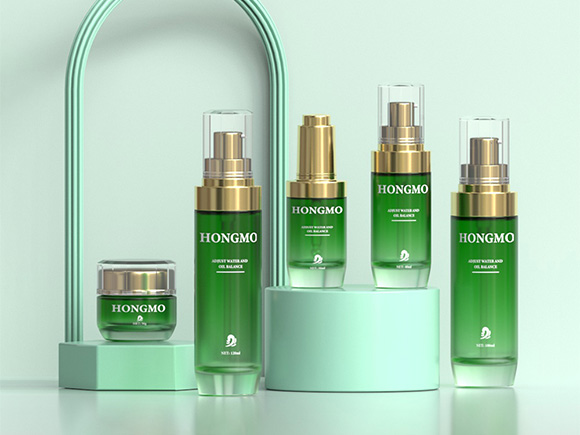
The outer box is no longer just for protection. It’s a key brand touchpoint using tactile materials and smart design to create a memorable unboxing experience.
The Outer Box as a Brand Storyteller
The secondary packaging layer turns the simple act of opening a box into a specific, memorable event. It’s the first physical interaction a customer has with your brand, setting expectations for the product inside. This layer communicates your values and attention to detail before they even see the primary container.
We use tactile materials, expressive graphics, and unique structural designs to shape how a customer perceives your product’s quality. A textured paper, a specific color palette, or an interesting opening mechanism can make a product feel more luxurious and considered. It’s about creating a sensory experience that goes beyond just looking at a printed box.
Good unboxing design gets shared. When the packaging is visually striking and satisfying to open, customers are more likely to photograph it and post it on social media. This creates organic marketing that amplifies your brand’s reach without any additional ad spend.
Engineered for a Flawless Arrival
Your product’s presentation means nothing if it arrives damaged. Our standard is to use export-grade corrugated cartons and pallets built to handle the stresses of international shipping. This ensures the outer box—and the product inside—arrives in perfect condition.
We validate all our packaging solutions through internal Drop Tests. This process simulates real-world shipping conditions to identify potential weaknesses and minimize the risk of breakage. Protecting the packaging is just as important as protecting the product, because it preserves the unboxing experience you designed.
For added security, we offer customizable protective inserts. Depending on your primary container’s shape and fragility, we can use dividers, bubble bags, or other solutions to secure it within the retail box. This prevents movement during transit and ensures every component arrives exactly as intended.
Frequently Asked Questions
What are the most luxurious finishes for high-end glass jars?
The most sought-after finishes combine multiple techniques. Metallization with gold or silver accents conveys prestige. Gradient lacquering creates a modern, deep look, and hot stamping adds premium detail. Other popular options include frosted glass for a refined aesthetic and soft-touch coatings for a unique tactile feel.
How do you design a high-quality refillable luxury jar?
An effective design balances elegant aesthetics with functional sustainability. It starts with choosing premium, eco-friendly materials like glass or wood. The jar must be durable, hygienic, and simple for customers to refill. Sensory details like the weight of the jar and the smooth feel of the lid are what separate a luxury product from a standard one.
Can my brand’s logo be embossed directly onto a glass bottle?
Yes, logos can be embossed directly onto glass containers. This technique uses a specialized tool to press the design into the glass, creating a raised, tactile logo. It gives the packaging a premium, dimensional quality and is often combined with other finishes like hot stamping to make the brand stand out even more.
What is a soft-touch coating in cosmetic packaging?
A soft-touch coating is a special liquid finish that gives packaging a velvety, matte texture. It feels smooth and luxurious to handle while reducing glare and fingerprints. This finish is widely used on perfume bottles, compacts, and skincare jars to elevate the unboxing experience and signal high quality.
How can I design packaging that looks great in social media photos?
For packaging that photographs well, start with transparent glass to let the product show through. Use interesting textures and finishes, like matte or glossy surfaces, which catch the light nicely in photos. Reflective details can suggest luxury. Ensure the design looks good from all angles, as it will be shown in 360-degree views or flat-lays.
How durable is gold plating on glass packaging?
Gold plating on glass is quite durable for its purpose on external components like caps. Its longevity is directly related to the thickness of the plating. It protects the underlying surface from scratches and adds a distinct look of luxury. It is a well-established finishing technique for high-end cosmetic brands.
Final Thoughts
While generic bottles offer a lower upfront cost, our zero-leakage guarantee and ultra-fine mold lines are what protect your brand against costly returns and reputation damage. Investing in precision engineering delivers the tactile quality your customers expect and builds long-term trust.
Don’t guess on quality—verify it. We recommend starting with a trial order to test our fitment and finish firsthand. For custom projects, our team can deliver a prototype from mold to sample in just 30 days.