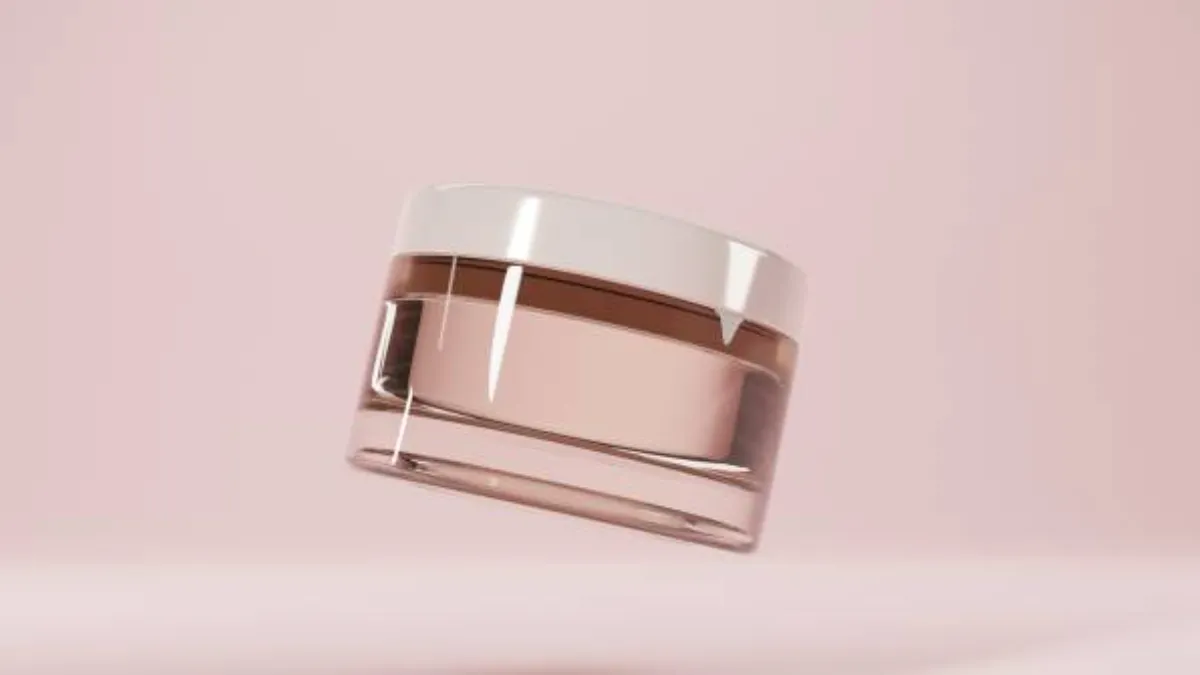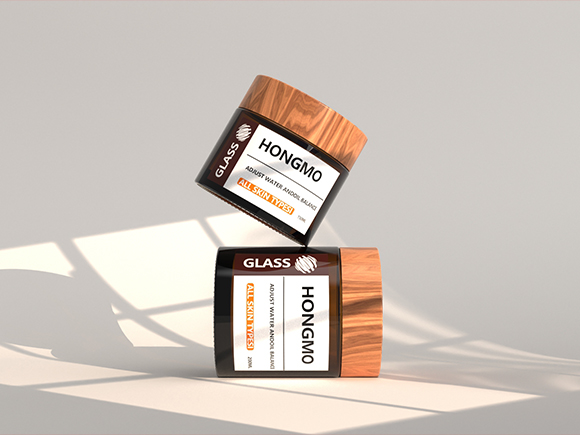
A mismatched lid or poor seal doesn’t just damage aesthetics. It leads to costly product returns and erodes the consumer trust your business relies on to grow.
This guide benchmarks suppliers against critical manufacturing standards, including vacuum negative pressure testing for zero-leakage performance. We analyze partners on MOQ flexibility and 30-day rapid prototyping to help you secure a scalable supply chain for 2026.
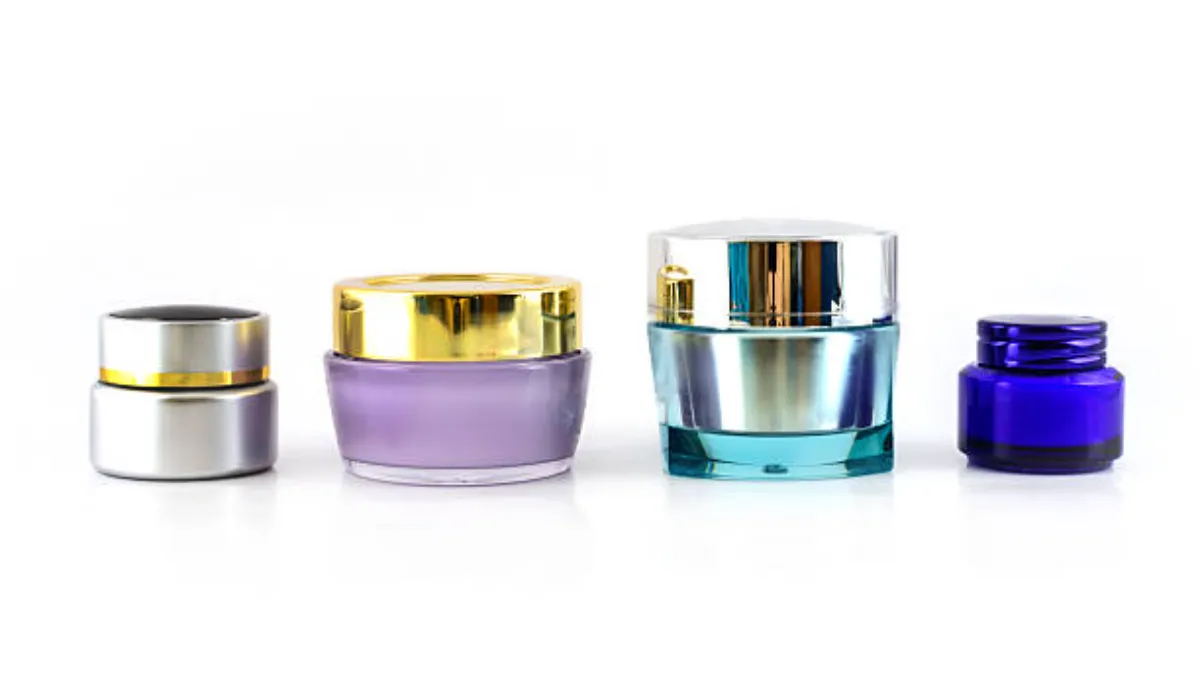
Why Top Beauty Brands Are Switching Back to Glass
Brands are moving back to glass for its premium feel and ability to protect sensitive formulas. It feels substantial, is chemically inert, and protects active ingredients from UV light.
Elevating Brand Image and Protecting Formulas
The physical weight and cool touch of a glass jar create a sense of value that plastic can’t match. This tactile experience immediately positions a brand as premium, separating it from mass-market products often associated with plastic containers.
Glass is also chemically inert. This prevents it from reacting with sensitive ingredients like Vitamin C, retinol, or essential oils. The formula inside stays potent and stable, which is critical for high-performance skincare that relies on active ingredients.
Achieving Crystal Clarity and Zero-Leakage Sealing
To achieve a truly premium look, manufacturers use high-flint glass made from top-tier quartz sand. This process produces exceptional transparency and a crystal-like appearance, showcasing the product inside without impurities or bubbles.
A premium bottle is useless if it leaks. Strict vacuum negative pressure and torque testing ensure a 100% perfect fit between the bottle and its pump or cap. This focus on engineering eliminates leakage risks, a common problem during global shipping and daily consumer use.
Matching the Jar to the Formula: Ámbar, Frosted, or Clear?
Amber glass protects light-sensitive formulas by blocking UV rays. Clear glass is for stable products where visibility matters. Frosted glass offers a premium look and hides smudges.
| Glass Type | Best For | Key Benefit |
|---|---|---|
| Amber Glass | Light-sensitive formulas, essential oils, natural skincare. | Blocks UV rays to preserve ingredient integrity and extend shelf life. |
| Clear Glass | Formulations that are stable in light. | Showcases the product’s true color and texture. |
| Frosted Glass | Premium or luxury product lines. | Provides a high-end aesthetic and helps conceal fingerprints. |
How Light Sensitivity Dictates Your Glass Choice
The most critical factor in choosing your jar is your product’s stability when exposed to light. Amber glass is non-negotiable for formulas with light-sensitive ingredients like essential oils, vitamin C, or natural botanicals. It blocks harmful UV rays that degrade these compounds, preserving the product’s effectiveness and extending its shelf life.
Clear glass is the opposite. It offers zero UV protection and is only suitable for formulas that are completely stable in light. Its purpose is purely visual—it allows the customer to see the product’s true color and consistency. We use high-flint glass made from top-tier quartz sand to ensure maximum clarity for brands that want to showcase their formula.

Aesthetic and Protective Finishes: Frosted and Amber Options
Beyond basic light protection, the finish on the glass affects brand perception. A frosted glass finish gives the jar a soft, diffused look that signals a premium or luxury product. It also has a practical benefit: it helps conceal fingerprints and smudges from product residue, keeping the package looking clean on a retail shelf or a bathroom counter.
At Hongmo, we accommodate both needs. We manufacture Amber/Dark Glass for essential UV protection and also offer frosting as a surface finish. This means you don’t have to choose between protecting your formula and achieving a high-end brand aesthetic; you can have both.
Launch Your Custom Glass Packaging Faster
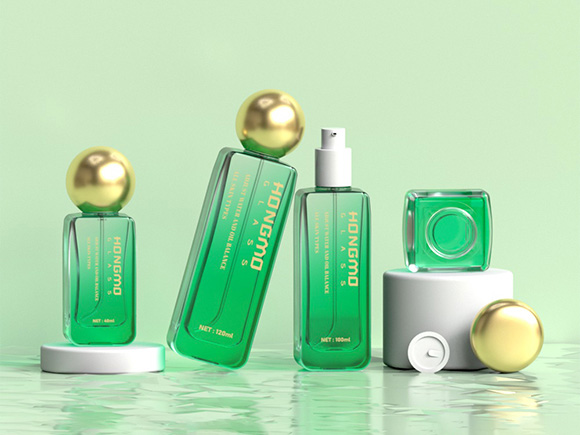
Choosing the Right Lid & Liner
A matched lid and liner creates a hermetic seal to protect sensitive formulas from oxidation and leakage. This preserves product life and secures the consumer trust your brand depends on.
Engineering a Leak-Proof Fit with Rigorous Testing
A properly matched lid and liner creates a hermetic seal, shielding the formula from the two biggest threats: oxidation from air and moisture loss. This barrier also prevents contamination from external elements, which is non-negotiable for consumer safety. The inner liner completes the job by stopping direct contact between the product and the cap, ensuring the formula’s chemical stability isn’t compromised over time.
Hongmoglass don’t leave sealing to chance. Every closure system we produce passes strict vacuum negative pressure and torque tests to guarantee a leak-proof fit. We finish our jar necks with precision, which ensures a 100% fit with pumps and caps. This engineering eliminates leakage risks during transport and handling. We also supply all the compatible accessories needed for a perfect seal, including the correct stoppers and gaskets for your specific jar and formula.
Understanding Volume: From 5ml Eye Cream to 200ml Body Butter
Container volume is based on the product. High-potency eye creams use small 15-30ml jars, daily face creams use 30-100ml, and body butters need 100-200ml+ containers.
Choosing the right volume for a beauty product isn’t guesswork. It’s a strategic decision based on the formula’s concentration, how customers use it, and the brand image you want to project. The size of the container, from a tiny eye cream jar to a large body butter tub, directly signals value and intended use to the buyer.

How Product Type Dictates Container Size
The industry has established standard volume ranges that consumers intuitively understand. Matching your product to these expectations is critical for market acceptance.
- Small Volumes (15-30ml): These are reserved for highly concentrated products. Think eye creams and potent serums where only a small amount is needed per application. The small size implies potency and luxury.
- Medium Volumes (30-100ml): This is the sweet spot for daily-use items like face creams and masks. It provides enough product to last a reasonable amount of time without being bulky.
- Large Volumes (100-200ml+): Body lotions, butters, and scrubs require larger containers. Since these products are applied liberally over large areas of the body, customers expect a generous volume.
A Full Spectrum of Sizes for Skincare and Perfumery
Hongmoglass provides packaging solutions that cover every segment of the market, from initial product testing to full-scale production runs.
- Over 20 mature cosmetic jars series, giving you a deep selection of standard volumes for both skincare and fragrance lines.
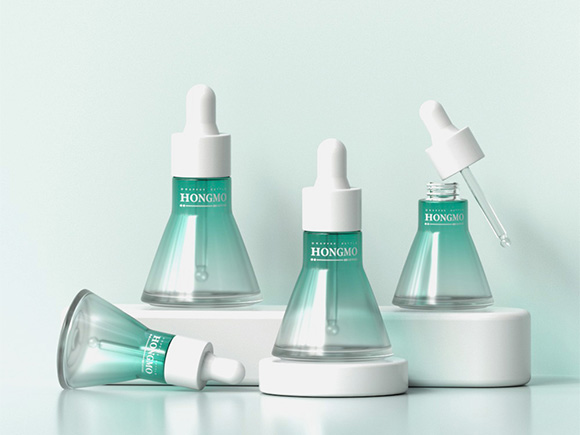
- We produce specialized packaging, including serum dropper bottles and cream jars, engineered for the quality expectations of mid-to-high-end brands.
- To help brands test the market, we offer a low trial order MOQ of just 1,000 pieces for in-stock items, allowing you to validate different product sizes with minimal risk.
Sustainability in 2026: PCR Glass and Refillable Options
By 2026, beauty packaging sustainability means two things: using Post-Consumer Recycled (PCR) glass to cut emissions and building refillable systems to create a circular economy.
PCR Glass as the New Standard
The use of Post-Consumer Recycled (PCR) glass is no longer a niche choice; it’s becoming standard operating procedure. Brands are commonly integrating 15-60% recycled glass content into their premium packaging, driven by both consumer demand and tightening regulations.
This shift isn’t just about appearances. Using PCR glass reduces manufacturing energy consumption by up to 25%. The material also retains the high clarity and chemical resistance expected of luxury cosmetic jars. It’s a practical way for brands to meet the increasing number of regulatory mandates for recycled content in major global markets like the US and Europe.
Engineering Precision for Refillable Systems
A successful refillable program isn’t just a concept—it’s an engineering challenge. The entire system relies on precision manufacturing. This starts with minimal tolerance control over the bottle’s neck, ensuring a perfect and repeatable fit for interchangeable components like pumps, droppers, and refill pods from different production batches.
For a container meant to be reused indefinitely, a perfect seal is non-negotiable. We implement rigorous vacuum and torque testing on every batch. This process guarantees a leak-proof fit between the bottle and its closure, preventing product waste and protecting brand reputation over the long term.

Stock vs. Costumbre: Why Factory-Direct Manufacturing Wins
Stock packaging gets you to market fast. Custom builds a unique brand. A direct factory partner gives you both, plus a huge speed advantage on custom designs.
Market Speed vs. Brand Identity
The choice between stock and custom boils down to your immediate business goal. Stock packaging is all about speed and low risk. It’s ready to ship, allowing you to launch a product or test a new market with minimal delay. For startups, our in-stock options support trial orders as low as 1,000 pieces, eliminating the need for a massive upfront investment.
Custom packaging is for building a lasting brand identity. When your product needs to stand out on a crowded shelf, a generic jar won’t cut it. Custom gives you full control over shape, size, and finish, creating a memorable unboxing experience that justifies a premium price. This is the right path for flagship products where the packaging itself is part of the brand story.
Accelerating Customization with 30-Day Prototyping
The traditional drawback of custom packaging has always been the lead time. Most manufacturers take 45 to 60 days just to produce a mold and samples. A direct-manufacturing model changes the equation completely. We handle everything in-house, which lets us open a new mold in 15 days and get you physical samples in another 15. That’s a 30-day total turnaround from design to prototype.
This speed means you can develop a truly unique, private mold shape without missing your launch window. You get the brand differentiation of a custom design without the slow, frustrating wait. It gives you the flexibility to react to market trends and get a distinctive product on the shelf while others are still waiting on their suppliers.
Conclusión
Generic jars might offer a lower upfront cost, but that saving disappears with the first leaky shipment. Our zero-leakage guarantee, verified by strict vacuum and torque testing, protects your formula and your reputation. This is the difference between a one-time sale and building a trusted brand.
Verify our quality for yourself. Start with a 1,000-piece trial order to confirm the fit and premium feel of our stock jars. If you’re ready for a custom design, we can deliver a prototype to your desk in 30 días.
Preguntas frecuentes
Which is better for face cream: glass or plastic?
Glass is generally better for premium face creams, especially those with sensitive ingredients like vitamin C or antioxidants. Its non-reactive nature prevents chemicals from leaching into the product and offers superior protection from air and light. While plastic is lighter and more shatter-resistant, glass is infinitely recyclable and preserves the formula’s integrity, making it the top choice for quality and safety.
What is PCR glass and why is it used in cosmetics?
PCR (Post-Consumer Recycled) glass is made from glass that has been used by consumers, collected, and then melted down to create new jars and bottles. It supports a circular economy by saving energy and raw materials. In cosmetics, it’s popular because it’s inert, protects sensitive formulas, and communicates a premium, sustainable brand image that resonates with the clean beauty movement.
Are glass beauty jars easy to recycle?
Sí, glass jars are 100% recyclable and can be recycled endlessly without any loss in quality. Most curbside recycling programs accept them. For best results, rinse the jar clean and remove any non-glass parts like pumps, lids, or droppers, as they often need to be recycled separately.
Can I get child-resistant caps for cosmetic glass jars?
Sí, child-resistant caps are widely available for glass jars in many sizes, from small 5ml containers to larger 240ml ones. These caps use a push-down and twist mechanism that is difficult for children to open but still accessible for adults, making them suitable for products that need to be kept secure.
Why are eye cream jars so much smaller than body butter jars?
Eye creams come in smaller jars (often 15-50ml) because the formula is concentrated and you only need a small amount for the delicate eye area. Body butters are used on larger areas of the body, so they come in bigger jars (100ml or more) to provide better value and practicality for frequent, liberal use.
What is the best way to ship glass jars without them breaking?
To prevent breakage, wrap each glass jar individually in several layers of bubble wrap. Place them in a sturdy box, using cushioning material like packing paper or foam to fill any empty spaces so the jars cannot move. Finally, seal the box securely with strong tape and add ‘Fragile’ labels to the outside.