Have you ever stopped to admire the beauty and functionality of a glass bottle? From the moment you pick one up, it’s clear that these containers are more than just packaging—they’re a perfect combination of elegance, durability, and practicality. Whether it’s a sleek perfume bottle or a jar of your favorite jam, glass packaging has become essential across industries.
In this article, we’ll dive into the fascinating process of glass bottle production, exploring each step in detail. Along the way, we’ll discover how companies like Hongmo Glass ensure that their products stand out through exceptional quality and eco-friendly practices. From cosmetic bottles and jars to essential oil bottles, each item is a testament to the skill and precision involved in this age-old craft.
Raw Materials: The Building Blocks of Glass
Every stunning glass bottle begins with a simple yet carefully chosen recipe. The primary raw materials used in glass production are silica sand, soda ash, and limestone. These materials are abundant in nature and form the foundation of almost every glass product you encounter.
But there’s more to the story. One of the key elements of sustainable glass production is the use of cullet—recycled glass that has been broken down and reintroduced into the manufacturing process. Not only does cullet reduce the need for raw materials, but it also requires less energy to melt, making the entire process more environmentally friendly.
This is especially important when crafting high-quality products like cosmetic bottles and jars or essential oil bottles, where customers expect both beauty and sustainability. By incorporating recycled glass, companies like Hongmo Glass ensure they’re doing their part to minimize waste and conserve resources.
The Step-by-Step Journey of Glass Bottle Production
Creating a glass bottle is a meticulous process that blends art and science. Each step is carefully designed to transform raw materials into finished products, ensuring strength, clarity, and precision. Here’s how it all happens:
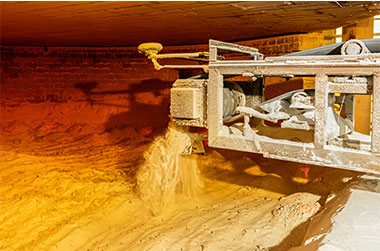
1. Batch Preparation
The process begins with batch preparation, where raw materials are carefully measured and mixed. The exact recipe depends on the type of glass being produced, but consistency is key. Even a slight variation in the mix can affect the final product.
For items like diffuser bottles or glass vials, manufacturers must ensure the batch is perfect to meet industry standards. This attention to detail sets the foundation for high-quality production.
2. Melting
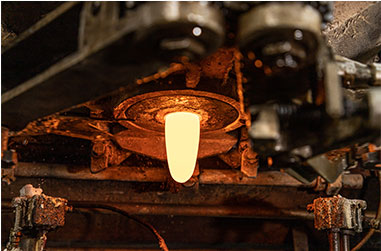
Once the batch is prepared, it’s fed into a furnace where temperatures soar above 2,500°F. The intense heat transforms the raw materials into molten glass, a glowing, viscous liquid ready for shaping.
This stage is a marvel of engineering. Modern furnaces are designed to be energy-efficient, with systems that recycle waste heat to reduce overall energy consumption. This not only saves resources but also aligns with sustainable manufacturing practices.
3. Forming
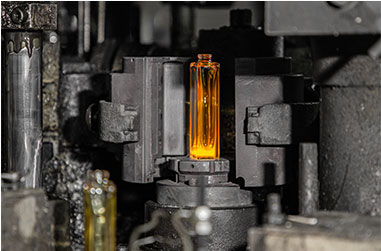
Forming is where the magic happens. Using molds and advanced machinery, the molten glass is shaped into bottles, jars, and vials. Different techniques, such as the blow-and-blow method or press-and-blow method, are used depending on the product.
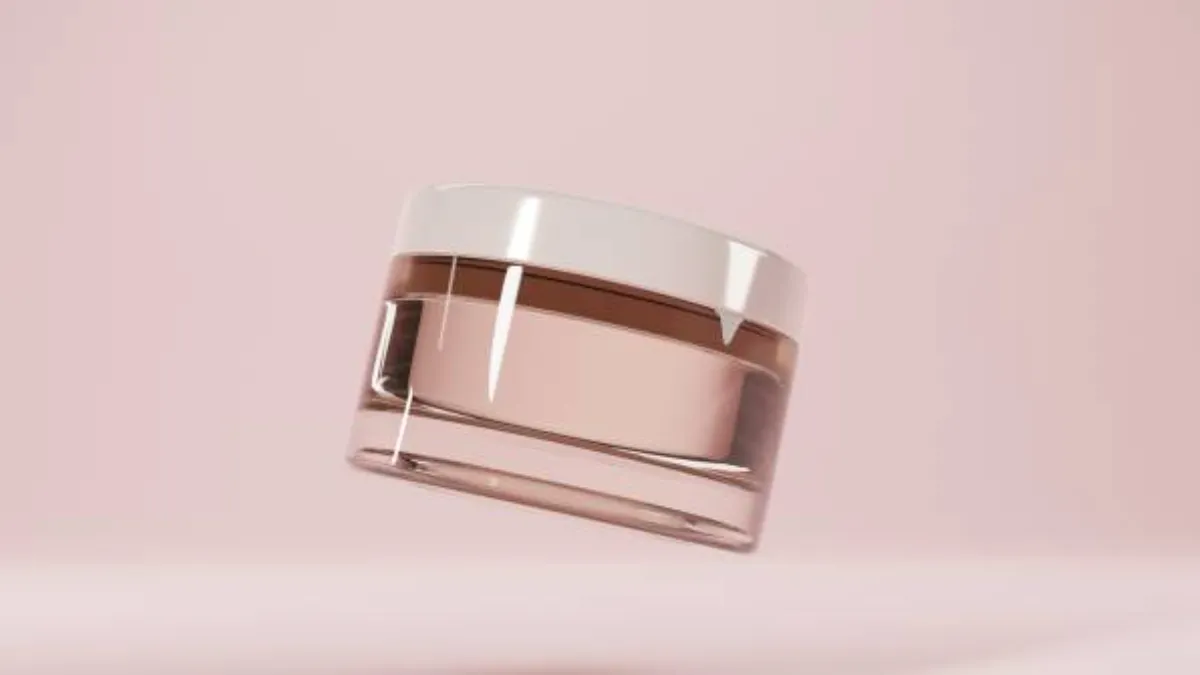
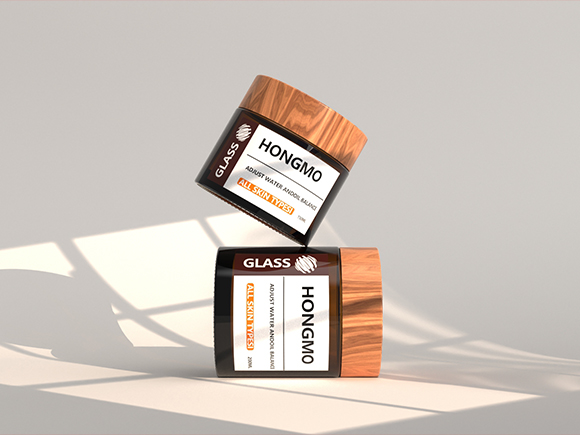
For example, glass roller bottles require precise shaping to ensure functionality, while frosted glass thick base jars demand a balance of durability and style. This step is crucial in determining the final look and feel of the product.
4. Annealing
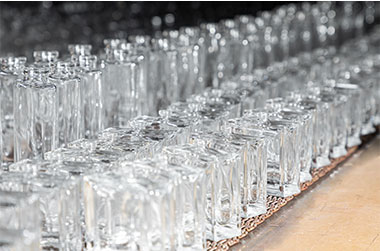
After forming, the glass bottles are cooled in a process called annealing. This involves slowly reducing the temperature of the glass in a controlled environment to relieve internal stresses. Without annealing, the bottles would be prone to cracking or breaking.
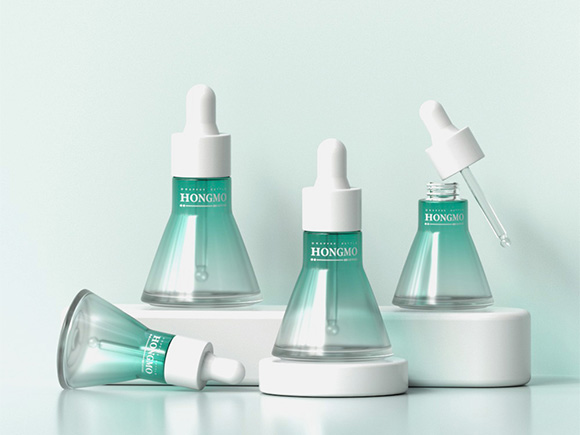
Products like essential oil bottles and glass dropper bottles undergo this process to ensure they are strong enough to withstand everyday use. Annealing is a critical step that adds to the durability and longevity of glass products.
5. Inspection and Quality Control
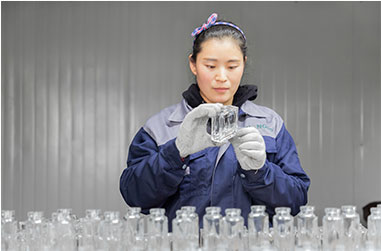
The final step is inspection. Every glass bottle undergoes rigorous quality checks to ensure it meets exacting standards. Automated systems, coupled with human expertise, detect flaws such as bubbles, cracks, or inconsistencies in shape.
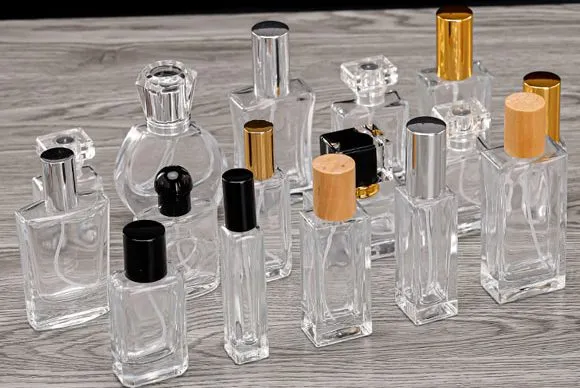
This attention to detail ensures that every product, from perfume bottles to plastic bottles, meets customer expectations. Quality control is what separates ordinary manufacturers from industry leaders like Hongmo Glass.
Hongmo Glass: Where Quality Meets Innovation
Hongmo Glass is not just a manufacturer; it’s a pioneer in delivering high-quality glass packaging solutions. Their products, ranging from glass roller bottles to frosted glass thick base jars, are crafted with precision and care.
Using state-of-the-art machinery and advanced techniques, Hongmo Glass produces items that cater to various industries. But what truly sets them apart is their commitment to sustainability. By combining innovative technology with eco-conscious practices, they’ve earned a reputation for excellence.
Their dedication to quality ensures that every bottle, jar, and vial is a perfect blend of beauty and functionality. This commitment is evident in every product, from cosmetic bottles and jars to diffuser bottles.
Sustainability: Caring for the Planet, One Bottle at a Time
Glass is often celebrated as one of the most eco-friendly materials available, and for good reason. It’s endlessly recyclable, meaning it can be reused without losing quality. Hongmo Glass takes this a step further by incorporating sustainable practices into every stage of production.
Recycling Initiatives
By using a cullet in their production process, Hongmo Glass reduces the need for virgin materials. This not only saves resources but also minimizes waste.
Energy Efficiency
Their advanced furnaces are designed to consume less energy, further reducing their environmental footprint. Additionally, waste heat recovery systems are used to maximize efficiency.
Waste Management
Responsible disposal of byproducts ensures that nothing harmful is released into the environment. These practices make products like essential oil bottles and glass dropper bottles both eco-friendly and ethically produced.
Industries That Rely on Glass Bottles
The versatility of glass makes it a preferred choice across multiple industries. Let’s take a closer look at who benefits from these timeless packaging solutions:
- Cosmetics: Elegant and functional packaging is a must for high-end cosmetics. Items like perfume bottles and cosmetic bottles and jars provide a premium feel while maintaining product integrity.
- Aromatherapy: Essential oil bottles and diffuser bottles are ideal for preserving the potency of aromatic blends.
- Pharmaceuticals: Glass vials and glass dropper bottles are essential for safely storing medicines. Their non-reactive nature ensures that the contents remain pure.
- Food and Beverages: From preserving the freshness of sauces to showcasing premium spirits, glass packaging adds a touch of sophistication.
No matter the industry, glass bottles provide a perfect balance of beauty, durability, and practicality.
Why Choose Glass?
Glass has stood the test of time as one of the most versatile and reliable materials for packaging. Its unique properties make it the ideal choice for businesses and consumers alike, particularly in industries where quality and sustainability are paramount. If you’re still wondering why glass is such a popular choice, here’s why glass continues to shine as a preferred option:
1. Eco-Friendly
Unlike plastic, which can degrade in quality after recycling, glass is endlessly recyclable without losing its integrity. A discarded glass bottle can be melted down and transformed into a brand-new one, over and over again. This makes glass a truly sustainable choice, significantly reducing waste in landfills and conserving natural resources. Choosing glass packaging, such as frosted glass thick base jars or essential oil bottles, demonstrates a company’s commitment to environmental responsibility.
2. Superior Preservation
Glass is non-porous and non-reactive, making it an excellent barrier against air, moisture, and contaminants. This property ensures that the contents inside remain fresh and unaltered. Whether it’s a delicate essential oil blend, a high-end cosmetic product, or food and beverages, glass keeps products safe and retains their intended flavor, scent, or texture.
3. Premium Appeal
There’s a reason luxury brands choose glass for their packaging. The weight and clarity of glass give it a premium feel that plastic cannot replicate. Its sleek appearance elevates the perception of the product inside, making it more appealing to consumers. Items like diffuser bottles and perfume bottles, when crafted from glass, exude elegance and sophistication.
Versatility in Applications
From frosted glass thick base jars for cosmetics to glass dropper bottles for pharmaceuticals, glass meets the needs of a wide range of industries. Its adaptability, paired with its eco-friendly and aesthetic qualities, ensures that businesses can find the perfect glass packaging for their specific products.
In a world increasingly focused on sustainability and quality, choosing glass isn’t just practical—it’s the smarter choice.
Conclusión
The art of glass bottle production is a story of transformation—turning simple raw materials into beautiful and functional products. Every step, from batch preparation to quality control, is a testament to the skill and dedication of manufacturers like Hongmo Glass.
With their focus on quality and sustainability, Hongmo Glass is paving the way for a greener future. Whether you need cosmetic bottles and jars or durable essential oil bottles, their products are designed to meet the highest standards.
So, the next time you hold a glass bottle, take a moment to appreciate the craftsmanship behind it. And if you’re looking for premium glass packaging, Hongmo Glass is the name to trust.