Glass bottles are an essential part of our everyday lives. From storing perfumes and essential oils to holding cosmetics and medicines, these containers are everywhere. But have you ever wondered how manufacturers ensure that these bottles are safe, durable, and flawless? This is where inspection standards come into play. These quality checks guarantee that every glass bottle meets the high expectations of customers and businesses alike.
In this article, we’ll explore the common issues with glass bottles, the inspection processes used to maintain quality, and how these standards benefit both businesses and consumers. We’ll also take a closer look at how Hongmo Glass upholds its reputation for producing top-notch products.
What Can Go Wrong? Common Defects in Glass Bottles
While glass bottles may appear sturdy and flawless, producing them without defects is no small feat. Even minor issues can lead to significant problems, especially for delicate products like perfume bottles or essential oil bottles.
Some common defects include:
- Bubbles or Blisters:
Bubbles are tiny air pockets that get trapped in the glass during production. While they may seem harmless, they can weaken the bottle’s structure. Imagine buying an expensive cosmetic jar only to find imperfections in its glass. It not only disappoints customers but also damages a brand’s reputation. - Cracks and Fractures:
Cracks are structural issues that often develop due to poor cooling or handling during manufacturing. These defects are particularly dangerous for products like glass roller bottles, which are meant for repeated use and handling. A crack can lead to leakage or even breakage, posing risks to the user. - Stones or Inclusions:
These occur when tiny, unmelted particles from raw materials get embedded in the glass. Stones create weak spots that can cause the bottle to fail under pressure. This is especially concerning for containers like glass vials, which often hold sensitive substances like medicines. - Seam Misalignments:
Seams are the lines where two parts of a mold meet during manufacturing. When these lines are misaligned, they result in uneven or jagged seams. This is not only visually unappealing but also compromises the sealing capability of products like diffuser bottles.
Each of these defects poses challenges for manufacturers and risks for users. This is why thorough inspections are critical before glass bottles are distributed.
How Are Glass Bottles Inspected?
To ensure that every glass bottle is flawless, manufacturers follow a series of inspections. These quality control steps are designed to catch defects early and maintain consistency across products. Whether the bottle is a frosted glass thick base jar for cosmetics or a simple plastic bottle for everyday use, these processes are essential.
Here’s how the inspection process works:
- Visual Inspection:
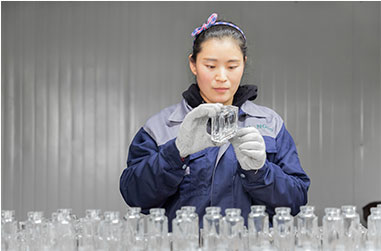
The first step involves a detailed examination of the bottle’s appearance. Workers or automated machines scan for visible flaws like bubbles, cracks, or uneven surfaces. For example, a perfume bottle with a noticeable flaw could immediately lose its appeal, making this step vital. - Dimensional Checks:
Every glass bottle has specific size and shape requirements, especially if it’s part of a larger system like a dispenser or packaging. Dimensional checks ensure that bottles like glass dropper bottles fit perfectly with their caps or applicators. - Stress Testing:
Glass bottles are tested to see how much pressure they can withstand. This is particularly important for items like essential oil bottles, which might be shipped over long distances and exposed to rough handling. A bottle that fails stress testing risks breaking during transportation or use. - Thermal Shock Testing:
Bottles are subjected to sudden temperature changes to ensure they won’t crack under such conditions. For example, glass roller bottles used in hot climates or diffuser bottles exposed to cold environments must withstand extreme fluctuations without failing. - Leakage Testing:
This step checks whether bottles can hold their contents securely without leaks. Products like plastic bottles or frosted glass jars need to ensure tight seals, especially if they contain liquids.
Each of these tests ensures that the final product is safe, functional, and visually appealing. By addressing potential issues during inspections, manufacturers save time, resources, and their reputation in the long run.
What Tools and Technologies Make Inspections Possible?
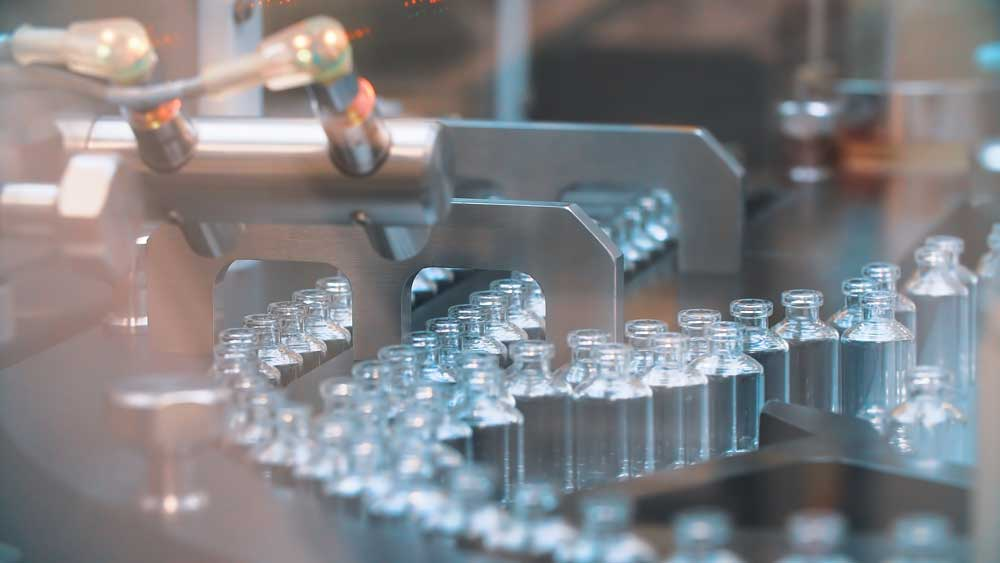
Inspection processes have come a long way, thanks to advancements in technology. Today, manufacturers use a combination of automated systems and precise tools to detect even the smallest flaws. These innovations make inspections faster, more accurate, and reliable.
Some key technologies include:
Machine Vision Systems for Defect Detection
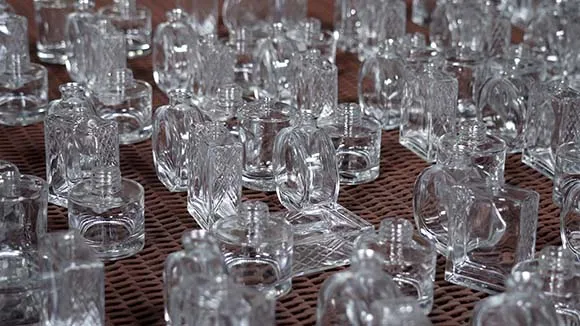
Machine vision systems use high-speed cameras to scan bottles for visible flaws like bubbles, cracks, or misaligned seams. These systems operate at rapid production speeds, making them ideal for large-scale manufacturing. For example, perfume bottles and frosted glass jars are inspected for surface imperfections to maintain their aesthetic appeal.
X-Ray Technology for Internal Flaws
X-ray systems are essential for detecting defects that aren’t visible on the surface. This is particularly important for products like essential oil bottles and glass vials, where internal purity and strength are critical. X-rays can identify trapped particles or structural weaknesses that could compromise safety.
Non-Contact Measuring Tools for Precision
Lasers and other non-contact measuring devices ensure that bottles meet exact size and shape specifications. This is especially important for glass roller bottles and dropper bottles, which must fit precisely with their caps or applicators. These tools eliminate the risk of damage during the measuring process.
Automated Stress and Thermal Testing
Stress and thermal shock testing systems evaluate how bottles handle pressure and sudden temperature changes. Products like diffuser bottles, which may face varied environments, benefit greatly from this rigorous testing.
By investing in such technologies, manufacturers can maintain high-quality standards and reduce the chances of defective products reaching customers.
Why Do Inspection Standards Matter?
At this point, you might wonder why so much effort is put into inspecting glass bottles. The answer lies in the significant benefits inspection standards bring to businesses and consumers alike.
Product Safety:
Inspection standards ensure that glass containers are safe to use, whether they are storing luxury perfumes, potent essential oils, or even life-saving medicines. Imagine a glass vial with a tiny crack—this could lead to contamination of the contents, posing serious risks to the end-user. For businesses, such an issue could result in product recalls, lawsuits, and loss of trust. Inspection ensures that such dangers are identified and eliminated early on.
Customer Satisfaction:
Quality inspections are a direct reflection of a brand’s commitment to excellence. A cosmetic jar with an uneven finish or a perfume bottle with visible bubbles can leave a poor impression on customers. In industries where appearance is as crucial as functionality, these flaws can tarnish a brand’s reputation. Consistently delivering flawless products builds trust and encourages repeat business.
Regulatory Compliance:
Industries like pharmaceuticals and food packaging are governed by strict regulations. For example, glass vials used to store vaccines must meet precise standards to ensure their integrity. Non-compliance with these rules can lead to fines, penalties, and even the suspension of operations. Inspection standards act as a safeguard, ensuring that businesses meet these requirements and avoid costly repercussions.
Brand Reputation:
A single defective product can undo years of effort in building a brand. Consider a luxury brand selling high-end frosted glass thick base jars for skincare. If customers receive jars with defects, they may question the brand’s overall quality and reliability. On the other hand, maintaining strict inspection standards ensures that every product reflects the brand’s commitment to perfection.
Economic Efficiency:
While inspections may seem like an added expense, they are a long-term investment. Catching defects during production is far less costly than dealing with product recalls, replacements, or damage control. For example, rejecting a batch of defective plastic bottles early in the process prevents those faulty products from reaching customers and causing bigger problems.
Inspection standards are more than just a set of rules—they are a promise to deliver safe, reliable, and aesthetically pleasing products.
How Hongmo Glass Sets the Bar High
When it comes to producing high-quality glass containers, Hongmo Glass leads the way. The company is committed to ensuring that every product meets or exceeds industry standards, offering peace of mind to businesses and consumers alike.
Here’s how Hongmo Glass stands out:
- Advanced Technology:
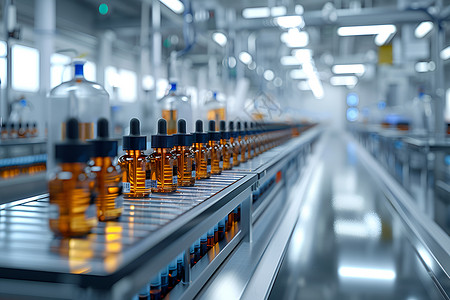
Using cutting-edge tools, Hongmo Glass inspects every product thoroughly. Whether it’s a delicate glass dropper bottle or a robust plastic bottle, quality is never compromised. - Expert Team:
The skilled professionals at Hongmo Glass are trained to identify and address defects quickly, ensuring that only the best products leave the factory. - Wide Range of Products:
From cosmetic jars and frosted glass jars to perfume bottles and diffuser bottles, Hongmo Glass offers solutions for a variety of industries. Their versatility ensures that businesses can find exactly what they need.
By prioritizing quality, Hongmo Glass has earned the trust of its clients and built a reputation for excellence in the packaging industry.
Conclusion
Every time you use a beautifully crafted perfume bottle or rely on a sturdy glass vial, you’re benefiting from meticulous inspection standards. These processes ensure that products not only meet your expectations but also enhance your overall experience.
For manufacturers like Hongmo Glass, these inspections are more than just a formality—they’re a commitment to delivering the best. Whether it’s a practical plastic bottle or an elegant frosted glass jar, quality is always at the forefront.
If you’re looking for reliable and well-crafted packaging solutions, Hongmo Glass has you covered. Visit our website today to explore our range of high-quality products and see how we can meet your needs.