In the ever-evolving world of skincare, the shift towards sustainability has become a pivotal discussion. This article explores the concept of eco-superiority by comparing glass and plastic lotion bottles, specifically focusing on which material offers a greener footprint. As the industry grapples with environmental concerns, the choice between glass and plastic is not just about aesthetics or cost but also about long-term ecological impacts. Highlighting the key aspects of production, recyclability, and life cycle analysis, we delve into how a lotion glass bottle might edge out its plastic counterpart in sustainability. This comparative study aims to guide consumers and manufacturers towards more environmentally responsible choices in skincare packaging.
By the end, you’ll have a clear understanding of how choosing glass benefits both the planet and your brand.
Understanding Glass and Plastic Packaging
The journey of packaging material starts with its raw ingredients. Lotion Glass Bottles are made from natural resources like silica sand, soda ash, and limestone. These materials are abundant and extracted with relatively minimal environmental disruption. In contrast, plastic comes from petroleum, a non-renewable resource. Oil extraction harms ecosystems and emits large amounts of greenhouse gases, raising concerns about its sustainability.
Glass is also chemically stable and non-toxic, making it an ideal choice for preserving the integrity of lotions and other cosmetics. On the other hand, plastic, while lightweight and versatile, can degrade over time, potentially leaching harmful substances into its contents. This raises questions about its long-term suitability for products like lotions.
For brands that want their packaging to reflect premium quality, glass lotion bottles offer a clear edge. Their elegant appearance and durability make them a popular choice for eco-conscious consumers.
Making the Bottles: A Look at Production Processes
The environmental impact of packaging isn’t just about materials—it’s also about how they’re made. The production of Lotion Glass Bottles involves heating raw materials to extremely high temperatures, a process that consumes significant energy. However, modern glass manufacturing methods, such as using recycled glass (known as cullet), have drastically reduced the environmental footprint of production. Recycled glass lowers energy requirements by up to 40% compared to using virgin materials.
Plastic bottle production, by comparison, is less energy-intensive initially but has hidden costs. The process involves refining crude oil into polymers like polyethylene or polypropylene, which are then molded into shape. While faster and cheaper, this process releases more harmful emissions and relies heavily on fossil fuels.
Innovations are helping to make both industries greener. For glass, advancements in furnace technology and lightweight designs reduce energy usage. For plastic, research into biodegradable and plant-based alternatives shows promise, but these solutions are not yet widely adopted.
The durability and reusability of glass lotion bottles also add to their eco-friendly appeal. Unlike plastic, which often ends up discarded after a single use, glass can have a much longer lifecycle.
Real-Life Performance: Glass vs. Plastic
When it comes to day-to-day use, Lotion Glass Bottles shine in terms of durability and aesthetic appeal. Glass doesn’t degrade over time, even when exposed to heat, light, or moisture. This makes it perfect for long-term storage of lotions. Additionally, the premium feel of glass appeals to customers seeking a luxurious experience.
Plastic bottles, while lighter and less fragile, often lack the durability needed for reuse. Over time, they can become brittle and lose their original quality, especially when exposed to sunlight. This leads to a shorter lifecycle and more waste.
Another advantage of high-quality glass lotion bottles is their reusability. Many consumers repurpose glass containers for other uses, giving them a second life and reducing the need for new materials. Plastic bottles, in contrast, are more likely to be discarded after their initial use, contributing to the growing problem of plastic waste.
The End of the Line: Recycling and Disposal
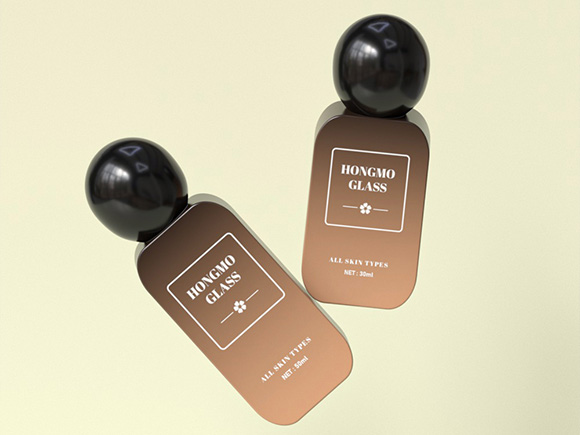
The end-of-life stage of packaging is where Lotion Glass Bottles truly stand out. Glass is one of the most recyclable materials on the planet. It can be recycled endlessly without losing quality, meaning old bottles can become new ones over and over again. This closed-loop system significantly reduces waste and conserves resources.
Plastic, while recyclable in theory, faces many challenges. Recycling rates for plastic are low, with only about 9% of all plastic ever produced having been recycled. Additionally, the quality of plastic degrades with each recycling cycle, meaning it can only be reused a limited number of times before it becomes unusable.
Glass also has the advantage of natural decomposition. If a glass bottle isn’t recycled, it breaks down into harmless components over time. Plastic, however, takes centuries to decompose, releasing microplastics into the environment along the way. These tiny particles pose risks to marine life, ecosystems, and potentially human health.
For brands and consumers alike, choosing premium Lotion Glass Bottles is a step toward reducing waste and promoting a more sustainable future.
Glass Takes the Lead: A Lifecycle Overview
When we look at the entire lifecycle of packaging materials, glass lotion bottles consistently outperform plastic in sustainability metrics. While the production of glass requires more energy upfront, this impact is offset by its durability, reusability, and infinite recyclability.
Plastic may be lightweight and inexpensive, but its long-term costs to the environment are staggering. From pollution and microplastics to low recycling rates, the downsides of plastic packaging are hard to ignore. Lotion Glass Bottles, on the other hand, align with the values of eco-conscious consumers and brands, making them the better choice for the beauty industry.
Consumer Trends Favoring Sustainability
Consumer preferences are rapidly evolving, with sustainability now ranking high on the list of priorities for beauty buyers. In surveys, an increasing number of consumers express willingness to pay more for products with eco-friendly packaging, including stylish glass lotion bottles. This trend highlights a significant opportunity for companies to meet customer demand while making a positive environmental impact.
Younger generations, in particular, are driving this shift. Millennials and Gen Z consumers are vocal about their expectations for brands to adopt sustainable practices. They value transparency and are quick to support companies that demonstrate environmental responsibility. By switching to glass, brands can strengthen their connection with this influential demographic.
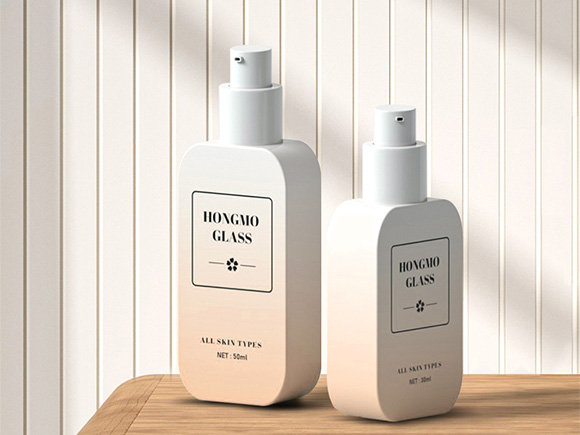
Additionally, consumers are becoming more aware of the environmental consequences of plastic waste. Campaigns, documentaries, and global initiatives have shined a spotlight on the problem, prompting shoppers to seek alternatives. Glass, with its recyclable nature and minimal ecological footprint, has become an appealing choice for those looking to reduce their plastic consumption.
By aligning with these trends, companies that adopt Lotion Glass Bottles are positioning themselves as leaders in the growing movement toward sustainable beauty.
Future Innovations in Packaging Materials
As the demand for sustainable and eco-friendly solutions grows, the packaging industry is evolving to meet new challenges. For products like glass lotion bottles, innovations are focusing on reducing environmental impact without compromising quality or functionality.
One promising development is lightweight glass. By creating thinner but equally durable bottles, manufacturers can reduce the amount of raw materials needed and lower transportation emissions due to decreased weight. This innovation is particularly relevant for industries like beauty and skincare, where sustainability is a growing priority.
Another exciting area of research is bio-based coatings for glass. These coatings enhance the strength and functionality of glass bottles, making them more resistant to damage while maintaining their recyclable nature. Additionally, some companies are experimenting with hybrid materials that combine glass with biodegradable components to create products that balance durability with environmental friendliness.
Recycling technology is also advancing rapidly. Enhanced glass collection and sorting systems are reducing contamination, ensuring that more glass bottles can be recycled efficiently. Moreover, new processes aim to make recycling more energy-efficient, further lowering the carbon footprint of glass lotion bottles.
As these innovations become mainstream, they promise to make glass packaging an even more sustainable and attractive choice for businesses and consumers alike. The future of packaging lies in combining creativity with responsibility, ensuring a cleaner planet for generations to come.
Why Choose Hongmo Glass for Your Packaging Needs?
For businesses looking to make the switch to sustainable packaging, Hongmo Glass offers a winning solution. Specializing in Lotion Glass Bottles, the company combines quality craftsmanship with eco-friendly practices.
Hongmo Glass uses recycled materials in its production processes, reducing the need for virgin resources and cutting down on waste. Our bottles are not only functional and durable but also customizable to fit the unique needs of cosmetic brands. By choosing Hongmo Glass, companies can enhance their packaging while supporting sustainability.
Conclusion
As we conclude our exploration of the eco-superiority of skincare packaging materials, it’s evident that the debate between glass and plastic packaging is about more than just cost or convenience—it’s about making choices that align with a sustainable future. Lotion Glass Bottles provide a clear advantage, offering durability, reusability, and recyclability that plastic simply cannot match.
As the beauty industry evolves, sustainability must remain a priority. By opting for glass, brands can reduce their environmental impact and appeal to eco-conscious consumers. Whether you’re a manufacturer or a shopper, the choice of packaging matters.
Call to Action
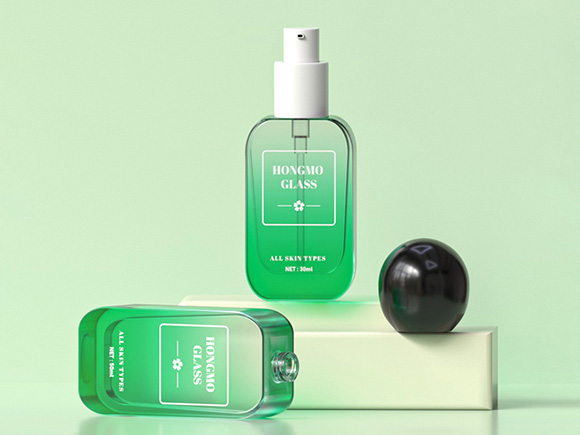
Are you ready to make a difference? Whether you’re a business looking for sustainable solutions or a consumer making eco-friendly choices, consider switching to glass lotion bottles. Contact Hongmo Glass to learn more about their innovative, sustainable packaging options. Together, we can create a greener future for the beauty industry!
Faqs
Why are glass bottles considered more sustainable than plastic? Glass bottles can be recycled infinitely without loss of quality, use natural materials, and have a less harmful lifecycle impact on the environment compared to plastic.
Is glass packaging safer for skincare products? Yes, glass is chemically inert, meaning it won’t interact with skincare products, ensuring product integrity over time without risk of leaching chemicals.
Do glass lotion bottles have a higher production cost than plastic? Initially, glass bottles are more expensive to produce due to the energy required for manufacturing. However, their reusability and recyclability can offset these costs over time.
Are glass bottles heavier than plastic? Yes, glass bottles are heavier than plastic, which may affect shipping costs and carbon footprint related to transportation.
Can glass bottles be recycled if they are broken? Yes, broken glass bottles can still be recycled. Glass can be melted down and reformed without losing purity or quality.
What is the environmental impact of producing glass bottles? While glass production is energy-intensive, using recycled glass significantly reduces energy consumption and environmental impact.
Why is the recycling rate for plastic so low compared to glass? Plastic recycling is complex due to variations in plastic types and contamination issues, which reduce the efficiency and effectiveness of recycling processes.
How does the weight of glass impact its sustainability? The heavier weight of glass increases transportation energy costs and emissions; however, innovations in lightweight glass are mitigating these issues.