Selecting the right glass dropper bottle manufacturer is critical. It directly impacts your product’s safety, regulatory compliance, and overall brand cost. The wrong partner increases defect rates, risks costly recalls, and turns procurement into a significant liability.
This analysis provides data-backed insights, detailing crucial aspects like ISO 9001 compliance and verifiable production capacity. We cover material safety, average defect rates, and typical lead times for custom mold development, ensuring you find a reliable and scalable partner.
Why Choosing the Right Manufacturer Matters
The right glass dropper bottle manufacturer impacts product safety, regulatory compliance, imagen de marca, and supply reliability, affecting total cost and market position.
Ensuring Product Quality and Regulatory Adherence
High-quality manufacturers use glass formulations that are chemically inert. This stops any interaction with oils, sueros, or solvents. It’s vital for essential oils, aromaterapia, and pharma solutions where leaching or formula breakdown is unacceptable.
Reputable manufacturers build glass droppers specifically for pharmaceutical, cosmético, and essential oil uses. They prioritize no heavy metals or contaminants. They also comply with food-contact or pharma-grade regulations. Lower-tier suppliers often do not track raw material purity as closely, increasing risk for regulated industries.
Optimizing Operations and Fostering Growth
Sourcing glass dropper bottles from local suppliers improves supply chain certainty and shortens lead times. It also reduces shipping risk and makes communication easier. For time-sensitive products, reliability stops stock-outs and protects brand continuity.
The right manufacturer can increase volumes as demand grows. This is critical for brands expanding to regional or global distribution. Limited capacity can slow product launches or expansion.
Advanced manufacturers offer custom molds, proprietary designs, acabados esmerilados, and screen printing. This helps brands in saturated serum, aceite facial, and essential oil markets stand out. Strong partners assist with selecting optimal glass types and engineering droppers for viscosity.
Production Capacity You Should Verify
You need to understand a glass dropper bottle manufacturer’s real output, not just what they say. Dig into specifics like monthly volume by bottle size, their split between standard and custom, and how MOQs fit into their operations. This reveals their true capability and flexibility.
Critical Dimensions of Production Capacity for Verification
When you evaluate a glass dropper bottle manufacturer, look beyond surface-level claims. You need to verify their actual production muscle across several key areas. This helps you understand if they can consistently meet your needs.
- Quantify monthly output for each bottle size and type you need.
- Assess how they split capacity between standard products and custom designs.
- Distinguish between their theoretical maximum capacity and their actual running capacity.
- Identify certified production lines and their specific capacities, especially for regulated markets.
Essential Data Points for Capacity Assessment
You need to ask for concrete numbers. Generic assurances mean nothing. Get the data that shows their operational reality.
- Obtain details on their furnaces and forming lines, including melting capacity (tons/day) and bottles per hour for key SKUs.
- Seek capacity utilization rates for the annual average and during peak seasons, especially for cosmetics and essential oils.
- Request first-quality yield rates and historical defect statistics for your target bottle types.
- Determine the monthly capacity from certified production lines that meet industry standards.
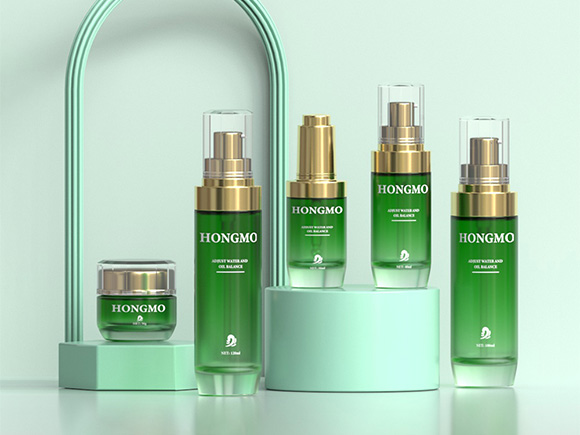
Elevate Your Brand with Premium Glass Packaging
Manufacturing Certifications and Compliance
Certifications and compliance are non-negotiable. They ensure product safety, calidad, and market access for glass dropper bottles across regulated industries.
Global Regulatory Standards and Industry Certifications
Glass dropper bottle manufacturers must navigate a complex web of global regulatory standards and industry certifications. The specific mix depends on the end-use application, like cosmetics, productos farmaceuticos, alimento, e-liquids, o aceites esenciales. These frameworks ensure product safety, maintain quality, and facilitate market entry.
Beyond regulations, core manufacturing certifications demonstrate robust management systems and adherence to specific production standards:
- Quality Management Systems:
- ISO 9001: This is a baseline for manufacturers supplying pharmaceutical, cosmético, e industrias alimentarias. It ensures controlled processes, documented procedures, and continuous improvement.
- Sector & Market-Specific Certifications:
- HALAL/KOSHER: For specific religious markets, these certifications ensure production aligns with religious requirements.
- Pharmaceutical/Cosmetic GMP: Certifications for plants supplying regulated drug products or high-risk cosmetic formulations.
Operationalizing Compliance and Demonstrating Assurance
Quality control covers the entire production process, from raw materials to final assembly. Key steps include:
- Raw Material Control: Verifying silica sand purity and absence of contaminants, along with controlling colorants to comply with heavy metal limits.
- Melting and Forming: Monitoring furnace temperature, batch composition, and forming parameters under ISO 9001 processes. In-line inspection checks for bubbles, wall thickness, and neck finish accuracy.
- Annealing and Stress Relief: Controlled annealing prevents internal stresses that cause breakage.
- Surface Treatments and Decoration: Ensuring coatings, impresión, or labeling are compatible with end-use and regulatory requirements (FDA/EU, Prop 65).
- Assembly of Dropper Components: Evaluating material safety, dimensional fit, and sealing integrity for pipettes, bombillas, y cierres.
Quality Inspection Processes That Matter
Effective quality inspections ensure dropper bottles protect product integrity, dispense reliably, and prevent leaks, rotura, or contamination.
Essential Inspection Stages Across Manufacturing
- Inspect incoming raw materials like silica sand and soda ash for purity, particle size, and chemical composition, preventing issues like bubbles or weak glass structures.
- Monitor furnace temperature and melt uniformity during glass formation, and use automated systems to detect shape irregularities or dimensional defects early.
- Perform dimensional checks (mouth diameter, altura, wall thickness), visual inspections for surface defects (grietas, papas fritas), and annealing verification to ensure structural integrity.
- Conduct 100% visual screening before packing and sampling checks throughout production, confirming no chips, grietas, correct dimensions, and uniform wall thickness for final products.
Verifying Performance and Integrity for Dropper Bottle Use
- Confirm the bottle neck finish matches the dropper assembly and test for leakage, loosening, and cap alignment to ensure a secure seal and consistent dispensing.
- Perform pressure resistance and thermal shock tests to verify the bottle withstands handling, transporte, and rapid temperature changes without breaking.
- Validate bottle capacity to ensure consistent fill volumes, which impacts label compliance and dosing accuracy for consumers.
- Prioritize inspections of the mouth and neck finish for seal integrity, wall thickness uniformity for durability, and overall cleanliness for premium appearance.
- Inspections target common defects like bubbles, grietas, papas fritas, uneven wall thickness, asymmetry, and neck or finish flaws that compromise sealing.
Custom Development and Mold Capabilities
Custom glass dropper bottles give brands control over design and function, letting them create unique packaging that stands out and performs.
Scope and Options for Custom Glass Dropper Bottle Development
- Bottle geometry: Custom heights, diameters, capacidad, y formas (redondo, cilindro, cuadrado, hecho a la medida).
- Glass specifications: Tipo (soda-lime, pharma-grade), color (claro, ámbar, custom Pantone, escarchado).
- Dropper and closure systems: Pipette length, bore size, various closure types (screw, a prueba de niños, a prueba de manipulaciones, Euro droppers).
- Surface and finish: Escarchado, mate, high-gloss, gradient tints, revestimientos suaves al tacto.
- Branding and decoration: Impresión directa (screen, ultravioleta), estampado en caliente, etiquetado, full decorated concepts.
- System compatibility: Neck finish engineering for leak-proof fit and filling line integration.
- Functional and regulatory printing: Volumen, dosage indicators, caution statements, batch codes, compliance marks.
- Secondary packaging integration: Custom outer boxes, structural supports, brand consistency across entire packaging system.
- Strategic benefits: Differentiated brand shapes, tailored functional performance, regulatory compliance.
Mold Design, Producción, and Project Considerations
- Mold types: Stock molds for faster launches, custom molds for unique brand silhouettes and specific functional requirements.
- Mold development process: Technical brief, 3D CAD design, tooling manufacture, comprehensive testing and validation.
- plazo de entrega: Several weeks for botellas de vidrio personalizadas, influenced by mold complexity, decoration layers, and testing requirements.
- Certifications: CE, RoHS, BPA-Free, SGS, y ISO 9001 for quality management systems.
- Quality control: Incoming material, dimensional checks, leak tests, print durability throughout production.
- Cost considerations: Per-unit cost benchmarks ($0.10–$0.20 for 15ml amber), reduced with high volume (p.ej., $0.10 for 100K+).
- Cost drivers: Tooling/mold investment, decoration complexity, specialized component systems, order quantity.
- Buyer preparation: Detailed information on volume, formula type, material, decoración, launch date, and budget.
- Manufacturer support: Feasibility studies, cost estimates, samples/prototypes, quality and regulatory documentation.
Delivery Time and Supply Chain Stability
Stock glass dropper bottles deliver fast. Custom orders need more planning. Stabilizing supply involves long-term partnerships and maintaining safety stock.
Delivery Timelines and Influencing Factors for 2026
- Acciones vs.. Custom Lead Times: Stock dropper bottles deliver in about 10 days for orders up to 50,000 piezas. Custom orders need much more planning and often face delays.
- Customization Complexity: Formas personalizadas, bandera, or decoration add production time. That’s due to separate tooling, scheduling, and quality checks.
- Large-Volume Order Planning: Larger orders require longer production slots and earlier ordering. Plan 3-6 months in advance for bulk glass.
- Operational Buffers: Maintain at least 90 days of safety stock for custom bottles. This reduces exposure to shipping and production problems.
- External Disruptions: Furnace shutdowns, port congestion, freight shortages, and inventory deficits can delay delivery schedules.
Enhancing Supply Chain Stability by 2026
- In-house Manufacturing Advantage: Internal production, inspection, and packaging offer better control over schedule reliability.
- Strategic Supplier Partnerships: Long-term relationships and early forecast sharing aid order prioritization when there are shortages.
- Service Level Agreements (SLAs): Clear agreements and regular check-ins monitor lead times, material availability, and shipment status.
- Reserved Inventory: Expanded warehousing and strategic material reserves cushion supply disruptions.
- Risk Mitigation Strategies: Separate sourcing for stock vs. custom. Order custom programs early. Maintain 90-day safety stock. Diversify suppliers. Integrate forecast sharing into contracts.
- Addressing Market Volatility: Be ready for energy and raw material price fluctuations, and global logistics disruptions. This is essential.
Questions to Ask Before Selecting a Manufacturer
Vet glass dropper bottle manufacturers thoroughly. Check product specs, calidad, costs, logistics, and reliability to avoid production and regulatory issues.
When evaluating a glass dropper bottle manufacturer, a detailed checklist helps you cover all bases. These points represent critical areas for due diligence, moving past basic price comparisons to look at true partnership potential.
| Key Area | Checklist Item |
|---|---|
| Specifications | Capacidad, color, glass type, acabado del cuello, dropper assembly, and decoration are clearly defined and approved. |
| Muestras | No critical defects, no leaks, and dropper dispenses accurately with your product. |
| Quality System | Supplier QA procedures and your AQL sampling/inspection steps (pre‑shipment and on receipt) are defined. |
| Commercials | Cantidad mínima de pedido, pricing tiers, payment terms, and any mold or decoration charges confirmed. |
| Timelines | Lead times and delivery schedule match your launch and inventory plan. |
| Logistics | Shipping mode, packaging design, palletization, and labeling verified. |
| Compliance | ISO 9001 and any sector‑specific or material compliance certificates obtained. |
| Policies | Return, warranty, and claim policies defined in writing. |
Product Specifications, Personalización, and Quality Assurance
Primero, pin down the basics. Your manufacturer needs to understand your product and filling process. Specify the liquid type—oil, water-based, alcohol, or active ingredients—and how you fill the bottles. Discuss viscosity and the exact drop size you need for accurate dosing. They should offer glass types like clear, ámbar, or frosted, along with UV-protective options for light-sensitive formulas like vitamin C or essential oils. Nail down precise dimensional specs including outer diameter, total height, acabado del cuello, and fill height. Make sure their tolerances match your existing filling, capping, and labeling equipment.
Próximo, focus on the complete dropper system. Clarify if bottles come with droppers, gorras, y cierres, or if these are separate. Discuss all closure and dispensing options they support, such as child-resistant droppers or tamper-evident features. They must show how they validate seal performance and leak resistance across various temperatures and orientations.
Customization and branding are critical for market differentiation. Ask if they can match your specific brand colors and finishes, whether it’s Pantone matching for sprayed glass or consistent color across batches.
Finalmente, verify quality assurance, certifications, and compliance. They should hold ISO 9001 or similar quality certifications. For pharma, nutracéutico, or OTC products, confirm their GMP-related compliance. Request regulatory documents like food-grade or pharma-grade glass confirmations, heavy-metal data, and declarations of conformity.
Logistics, Commercial Terms, and Strategic Alignment
Discuss minimum order quantities (MOQ), flexibilidad, and scalability early. Understand MOQs for both standard and custom glass dropper bottles. Can they support smaller batches for launches or niche SKUs? They must demonstrate capacity to scale as your demand grows without quality issues. Ask about their priority rules for existing versus new customers during peak periods, and if they support multi-supplier or dual-sourcing strategies.
Tooling, custom molds, and engineering support are key for unique products. Ask about their process for custom mold design and typical lead times for molds and modifications. Get clear on tooling costs and ownership. How do they validate new designs? Look for 3D models, prototypes, and pilot production runs. They should collaborate with your engineers to ensure compatibility with your filling, capping, and packing systems.
Plazos de entrega, logistics, and supply reliability directly impact your operations. Clarify standard lead times for stock items, customized versions, and new product introductions. What inventory and stocking models do they support, like vendor-managed inventory or safety stock programs? Understand their geographic footprint, delivery capabilities, and Incoterms. Crucially, ask about their strategies for managing supply disruptions, such as business continuity plans or backup production lines.
Consider sustainability and ESG alignment. What recycled content options do they offer for glass? Do they provide eco-focused decoration or refillable dropper systems? Ask them to quantify and document their sustainability claims with environmental certifications or carbon reporting. Their packaging should support your brand’s sustainability story, perhaps through lightweight designs or reusability messaging.
Evaluate their customer support and service model. Will you have a single point of contact with dedicated account management? Understand their project management practices for development and typical timelines from concept to first shippable batch. What after-sales support do they provide, including on-site technical help or root-cause analysis? Ask for references and case studies relevant to your product category.
Why Long-Term Manufacturing Partnerships Create Value
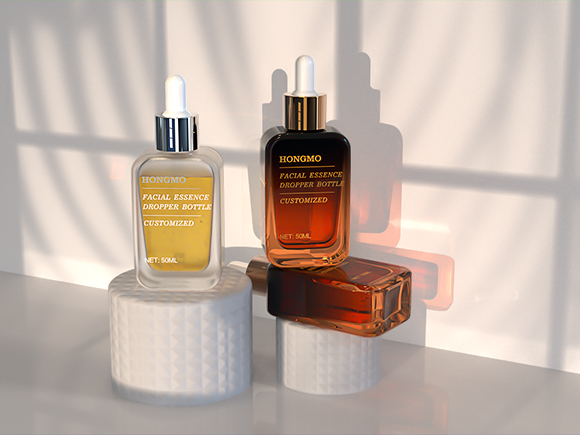
Long-term partnerships with glass dropper bottle manufacturers cut costs, ensure reliable supply, and boost product innovation. Brands gain a competitive edge with stable, customized packaging solutions.
Achieving Operational Efficiency and Cost Advantages
Long-term manufacturing partnerships optimize the total cost of ownership for glass dropper packaging. Brands secure preferential pricing and discounts by committing to annual volumes. This allows manufacturers to run production lines more efficiently, cutting per-unit costs.
These partnerships reduce hidden costs. Joint engineering work on neck finishes and glass composition minimizes breakage and rejected bottles on filling lines. This lowers expenses for warehousing, transporte, and downtime. Strategic collaboration also improves supply chain logistics, using co-planned safety stocks and vendor-managed inventory to avoid emergency shipments and stock-out penalties.
Stable relationships bring financial predictability. Transparent pricing and clear contract terms for volume commitments help brands budget effectively for new product launches. This also offers flexible payment options that ease cash flow for brand owners.
Manufacturers prioritize long-term partners during supply chain disruptions, like furnace outages or raw material shortages. This minimizes stock-outs for critical products. Brands also benefit from consistent quality and regulatory compliance. Continuous collaboration refines quality standards, reducing regulatory risks and administrative work.
Driving Innovation and Strengthening Brand Position
Long-term partnerships drive innovation in dropper bottle design. Manufacturers invest in modern glass technologies and sustainable features like lightweight glass and recycled content. Brands with long-term ties get early access to these innovations, helping them launch eco-friendly product lines and reinforce sustainable branding.
Glass droppers build a premium brand image. Consumers see glass packaging as high-quality and durable. This is especially true for cosmetics, nutraceuticals, y aceites esenciales. Partnering with advanced glass manufacturers lets brands claim high recycled content and full recyclability, strengthening sustainability messages.
El cosmetic dropper bottle segment is competitive, making packaging a key differentiator. Único, co-developed designs become signature formats, building brand recognition and loyalty over time. Consistent availability of these custom formats prevents brands from using generic bottles, which could dilute their identity.
Pensamientos finales
Choosing the right glass dropper bottle manufacturer is about more than comparing prices. A reliable manufacturing partner helps protect your product quality, ensure consistent supply, support regulatory compliance, and strengthen your brand with customized packaging solutions that scale as your business grows.
y hong mo, we combine nearly 20 years of manufacturing experience with integrated production, custom mold development, estricto control de calidad, and flexible OEM/ODM services for cosmetics, protección de la piel, aceites esenciales, fragancias, and wellness brands worldwide.
Contact us today to discuss your packaging requirements, request product samples, or receive a customized quotation.