Empty serum bottles, often overlooked, play a crucial role in the skincare industry, offering both practical and sustainable solutions. These versatile containers are not just packaging but valuable tools designed to store and preserve skincare products effectively. Beyond their primary function, empty serum bottles come with a range of properties, benefits, and applications.
Such properties contribute to their popularity in both personal care routines and professional skincare formulations. From preserving product integrity to enhancing user convenience, understanding the properties and benefits of these bottles reveals why they are essential in the modern skincare landscape.
What Types of Bottles Are Used for Packaging of Serums?
Serums are lightweight, concentrated formulations designed to deliver active ingredients deeply into the skin, addressing specific skincare concerns like hydration, anti-aging, or brightening. Due to their high potency and delicate nature, serums require specialized packaging that maintains their efficacy and freshness.
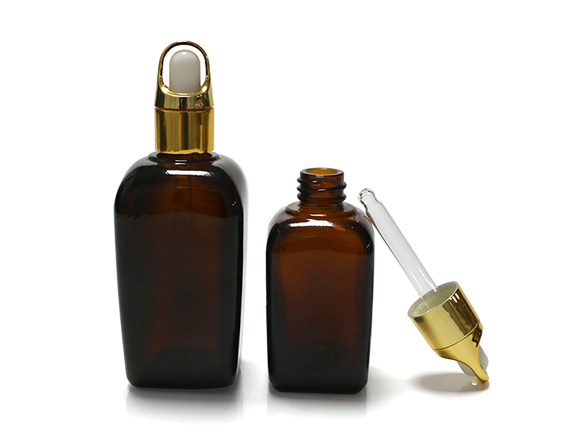
When it comes to serum packaging, various types of bottles are used, each serving a specific purpose. These bottles not only protect the integrity of the product but also enhance user convenience and aesthetic appeal.
The most common types of serum bottles include the following:
1. Glass Bottles:
- Properties: Glass bottles are widely preferred due to their ability to block out light and air, helping preserve the potency of serums. They are often made from amber or frosted glass to further protect sensitive ingredients from UV exposure.
- Benefits: Glass is non-reactive and provides a high-end, eco-friendly feel, which appeals to eco-conscious consumers.
- Applications: Glass bottles are commonly used for high-end or luxury serums due to their aesthetic appeal and premium feel.
2. Plastic Bottles:
- Properties: Plastic serum bottles are lightweight and durable, making them ideal for travel and daily use. They are often made from materials like PET (polyethylene terephthalate) or HDPE (high-density polyethylene).
- Benefits: Plastic is more affordable, shatter-resistant, and easy to recycle, offering a practical solution for both manufacturers and consumers.
- Applications: Plastic bottles are widely used for affordable or everyday serums, offering convenience and functionality.
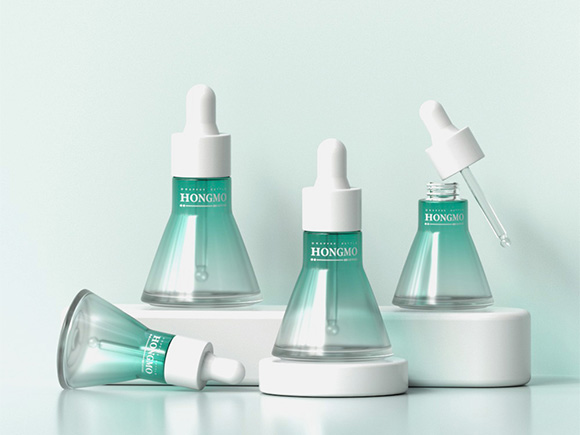
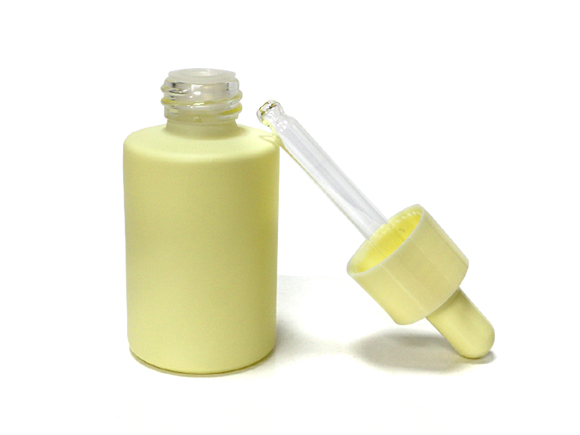
3. Dropper Bottles:
- Properties: Dropper bottles come with built-in droppers for precise application, minimizing waste and ensuring controlled dispensing.
- Benefits: They enhance product usability, especially for serum users who prefer controlled dosing to achieve consistent results.
- Applications: Dropper bottles are particularly popular for serums due to their precision and ability to preserve the product’s quality.
4. Airless Pumps:
- Properties: Airless pump bottles use a vacuum system to dispense serum, preventing air exposure and preserving the formula’s potency.
- Benefits: They extend shelf life, prevent contamination, and provide a hygienic way to dispense serums.
- Applications: Airless pumps are commonly used for high-end serums that require extra protection from air and light exposure.
Choosing the right bottle type depends on the product’s formulation, target market, and desired customer experience, contributing to both the product’s efficacy and brand image.
What Are the Key Properties of Empty Serum Bottles?
The important properties of empty serum bottles are listed below:
1. Material Types:
Glass:
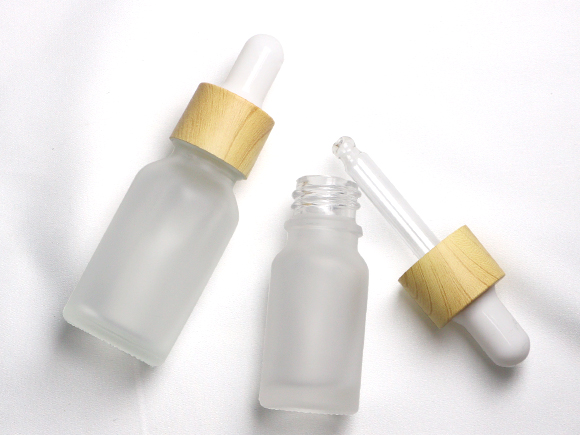
Glass serum bottles are highly favored due to their non-reactive nature, preventing any contamination of the serum. They are usually made from amber or frosted glass to protect sensitive ingredients from UV exposure and maintain the serum’s potency.
Plastic:
Plastic serum bottles are lightweight, shatter-resistant, and more cost-effective. They are typically made from materials like PET (polyethylene terephthalate) or HDPE (high-density polyethylene). Plastic bottles are ideal for travel-friendly and everyday use due to their durability.
2. Capacity and Design Variations:
Capacity:
Serum bottles come in various capacities ranging from small 10ml to larger 50ml, accommodating different product formulations and consumer preferences.
Design Variations:
The design varies from sleek, minimalist bottles for luxury serums to more practical, functional designs for everyday use. Bottles can feature pump dispensers, droppers, or airless systems, each offering unique benefits in terms of convenience and product integrity.
Why Are Empty Serum Bottles a Popular Choice for Skincare Products?
Empty serum bottles have become a popular choice in the skincare industry due to their ability to preserve product quality. Furthermore, they enhance user experience, and meet the growing demand for sustainable packaging solutions. Read on to know more about them:
1. Preservation of Product Quality:
Serum bottles are designed to block out light and air, preventing oxidation and maintaining the integrity of active ingredients. Glass bottles, especially, offer superior UV protection, while airless pumps and droppers ensure minimal product wastage.
2. Aesthetic Appeal and User Convenience:
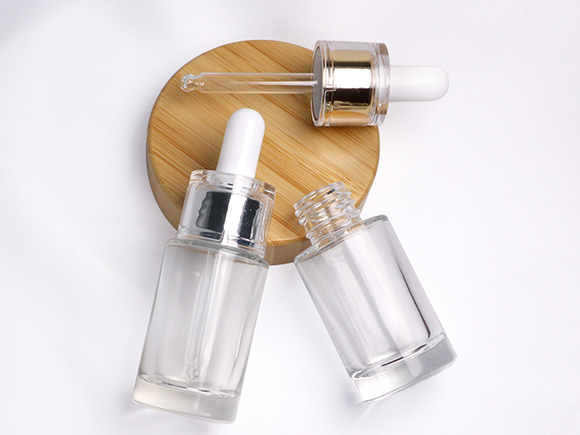
The sleek, elegant designs of serum bottles enhance the product’s visual appeal, creating a premium feel that aligns with luxury skincare brands. Additionally, features like precision droppers or airless pumps offer convenience, ensuring ease of application and reducing waste.
3. Eco-Friendly Options:
With growing environmental awareness, glass and recycled plastic bottles have become more popular, catering to consumers looking for sustainable packaging solutions.
Serum bottles combine form and function, making them a preferred choice for both manufacturers and consumers seeking quality, efficacy, and sustainability.
What Are the Common Applications of Empty Serum Bottles?
Empty serum bottles have various applications across the skincare, DIY formulations, and beauty industries, each designed to meet specific product needs. Some key uses of premium empty serum bottles are listed below:
1. Storing Serums and Essential Oils:
Empty serum bottles are primarily designed to store concentrated serums and essential oils. Their properties, such as UV protection and airtight seals, help maintain the potency and freshness of the ingredients, ensuring the product’s effectiveness.
2. Use in DIY Skincare Formulations:
Due to their precision applicators (like droppers or pumps), serum bottles are widely used for DIY skincare creations. They allow users to mix and store customized formulations, providing a convenient and hygienic way to store homemade serums and oils.
3. Packaging for Beauty and Pharmaceutical Products:
Empty serum bottles are commonly used in both the beauty and pharmaceutical industries due to their ability to protect sensitive ingredients from air and light. They are ideal for packaging high-value products such as anti-aging serums, moisturizers, and topical medications that require precise dispensing.
How to Select the Right Empty Serum Bottle for Your Needs?
When choosing the right empty serum bottle, several key factors come into play, including material, size, and functionality. Selecting the right bottle ensures product integrity, convenience, and aligns with your specific skincare or cosmetic needs.
Below are some important considerations to help guide your decision.
Factors to Consider:
1. Material:
Glass: Ideal for luxury or high-end serums, offering UV protection and preserving product quality.
Plastic: Lightweight and durable, perfect for travel and everyday use.
2. Size:
Choose the appropriate size based on product volume and consumer preferences, ranging from small 10ml bottles to larger 50ml options.
3. Functionality:
Dropper Bottles: Best for precise application and minimal product wastage.
Pump Bottles: Suitable for controlled dispensing and reducing exposure to air.
Airless Pumps: Excellent for preserving product freshness by preventing air contact.
Matching Bottles to Specific Product Requirements:
Serums: Opt for glass or airless pump bottles to maintain the potency and integrity of concentrated formulas.
Essential Oils: Dropper bottles are ideal for easy and precise dispensing.
DIY Formulations: Plastic bottles offer practicality and convenience for homemade skincare blends.
Selecting the right bottle ensures your product stays fresh, functional, and appealing to your target audience.
Tips for Proper Handling and Maintenance of Empty Serum Bottles
Proper handling and maintenance of empty serum bottles ensure the longevity of the packaging and preserve the quality of the stored products. Following these tips will help maintain hygiene, functionality, and optimal product performance.
1. Clean Regularly:
Ensure the bottles are cleaned thoroughly before and after each use to remove any product residue or contaminants that could affect the formula’s quality.
2. Store in a Cool, Dry Place:
Avoid storing serum bottles in direct sunlight or humid environments, as exposure to heat and moisture can degrade sensitive ingredients and reduce the bottle’s effectiveness.
3. Use Appropriate Dispensing Tools:
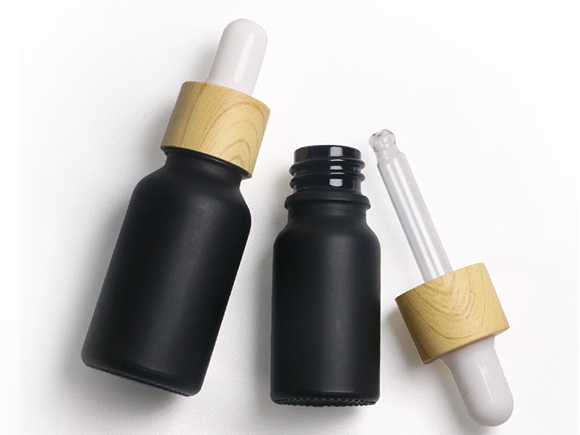
For dropper bottles, ensure the dropper is clean and free from clogs to ensure precise dispensing without contamination. For airless pumps, check that the system works smoothly to prevent product wastage.
4. Seal Tight to Prevent Air Exposure:
Always secure the bottle cap or closure properly to avoid air exposure, which can lead to oxidation and reduce the serum’s shelf life.
5. Replace When Necessary:
If you notice any signs of wear or damage, such as cracks or leaks, replace the serum bottle promptly to maintain product integrity and hygiene.
By following these tips, you can ensure your stylish serum bottles remain functional and effective, preserving the quality of your skincare products.
Conclusion:
Empty serum bottles play a crucial role in preserving product quality, enhancing user experience, and catering to specific skincare needs. By understanding the factors like material, size, and functionality, you can select the right serum bottle that aligns with your product requirements, whether for luxury formulations or everyday use.
Choosing the appropriate bottle ensures convenience, sustainability, and the best possible performance for your skincare or cosmetic products.
FAQs
What material options are available for serum bottles?
Serum bottles are commonly available in glass (for luxury and UV protection) and plastic (for lightweight and travel-friendly use).
What size serum bottle should I choose?
The size depends on your product’s volume and consumer preferences. Smaller 10ml bottles are ideal for trial sizes, while larger 50ml bottles work well for full-size products.
What is the best bottle design for dispensing serums?
Dropper bottles are great for precise dispensing, while airless pumps help preserve product freshness by preventing air exposure.
Can serum bottles be reused?
Yes, many serum bottles, especially glass ones, can be reused for DIY formulations or refilling, reducing waste.
Why are glass serum bottles preferred over plastic?
Glass bottles provide UV protection, are non-reactive, and offer a more luxurious, eco-friendly feel, making them ideal for high-end or sensitive formulations.