Selecting the best glass dropper bottles involves more than aesthetics; it directly impacts product efficacy and shelf life. The wrong choice risks degrading potent formulas like essential oils or CBD, leading to customer complaints and lost market trust.
This guide dissects optimal glass dropper bottle specifications, focusing on material inertness, UV protection via amber or cobalt glass, and chemical compatibility for dropper bulb materials. We provide data-backed insights on sizes and components to secure product integrity.
Why Glass Dropper Bottles Are Ideal for Liquid Formulations
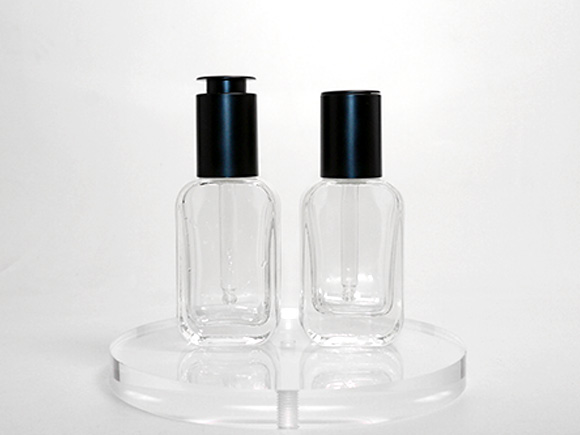
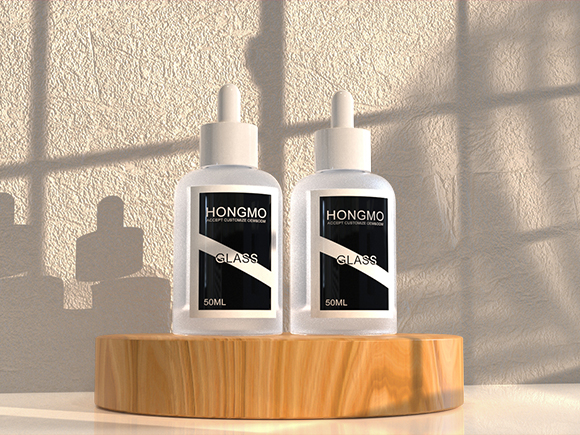
Glass dropper bottles are excellent for liquid formulations. They combine material purity, precise dosing, and product protection. This makes them widely accepted across cosmetics, фармацевтика, nutraceuticals, и товары для здоровья.
Maintaining Product Integrity and Precision Dosing
Стекло химически инертно., preventing reactions with active ingredients such as vitamin C or retinol. This protects the product.
Its low permeability to oxygen and moisture protects sensitive formulations from degradation.
Per-drop dosing, typically around 0.05 мл, ensures accurate application for concentrated liquids and supplements.
UV-protective amber, cobalt, or black glass safeguards light-sensitive compounds and essential oils.
Glass also forms a robust barrier against environmental contamination, maintaining product purity from filling to the moment of use.
Enhancing User Experience and Brand Value
Glass bottles present a premium, high-quality aesthetic, often preferred in luxury skincare and wellness products.
Their familiar format makes usage intuitive for serums, настойки, and aromatherapy oils, reducing any learning curve.
The fully recyclable nature of glass aligns with consumer preferences for sustainable and eco-friendly packaging.
Controlled dispensing minimizes product waste, enhancing value perception for expensive or potent formulas.
Glass dropper bottles also support clear dosing instructions, which helps users stick to their health and beauty routines.
Rapid Custom Glass for Faster Product Launches
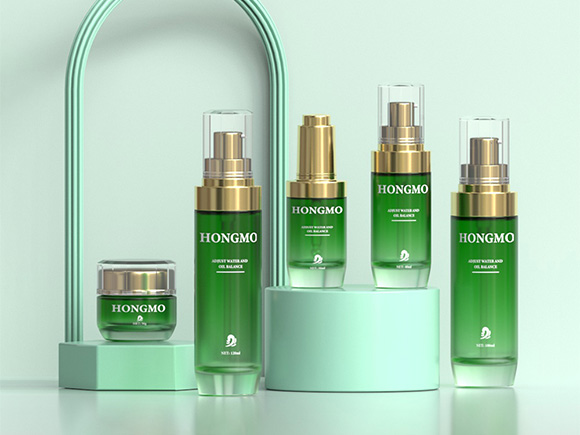
Amber vs Clear Glass for Different Formulas
When choosing glass dropper bottles, balancing the light sensitivity of your formulas with your brand’s visual goals is key. Amber glass offers robust protection against UV and blue light, preserving the potency of sensitive ingredients like vitamin C, ретиноиды, эфирные масла, and CBD. This reduces product degradation, which means fewer customer claims and a longer effective shelf life. Clear glass allows you to showcase your product’s aesthetics, and we achieve stability for less sensitive formulas by pairing them with strategic secondary packaging or labeling.
Fundamental Differences and Light Sensitivity
Amber glass offers significant protection against UV and blue light. This reduces photodegradation and oxidation for light-sensitive formulas like vitamin C, ретиноиды, эфирные масла, and CBD/THC tinctures.
Clear glass provides almost no meaningful light protection. It allows maximum product visibility to showcase color, ясность, и уровень заполнения.
Formulas with high light sensitivity, such as L-ascorbic acid vitamin C serums and retinoids, strongly prefer amber glass to maintain potency and prevent degradation.
Moderately light-sensitive formulas, including water-based actives and oil blends with unsaturated carrier oils, benefit from amber glass. They can also use clear glass with mitigation strategies.
Low light-sensitivity formulas, like simple carrier oils or robust glycerin-based solutions, are generally acceptable in clear glass. This prioritizes their visual appeal.
Strategic Selection for Product Categories and Brand Goals
For clinical skincare serums (витамин С, ретинол), amber is the conservative choice due to photoinstability. Facial oils may use clear glass if visual color is a key marketing asset.
Essential oils and aromatherapy blends standardly use флаконы-капельницы из янтарного стекла. This protects against photodegradation and volatility.
Фармацевтика, nutraceuticals, and cannabis/CBD tinctures heavily favor amber glass. This safeguards light-sensitive active ingredients and complies with industry norms.
Clear glass enhances product visibility, building perceived transparency and trust. It also offers a modern aesthetic for premium segments.
Amber glass communicates apothecary or clinical positioning, fitting vintage branding or wellness narratives.
Brands can use hybrid strategies for clear glass. These include opaque labels, secondary packaging, or tinted glass, to achieve aesthetic goals while still offering some protection.
Selecting the Right Dropper Material
We choose dropper bulb materials like НБР, силикон, or TPE for glass dropper bottles. We carefully balance chemical compatibility, безопасность продукта, уплотнение, пользовательский опыт, and overall cost to ensure the best fit for each product.
Key Characteristics of NBR, Silicone, and TPE Dropper Materials
НБР (Nitrile Butadiene Rubber) is a synthetic rubber that offers good resistance to mineral oils and non-polar formulations. It is often a cost-effective choice for many cosmetic and industrial droppers, providing a familiar tactile feel. Однако, its resistance to polar solvents, высокие температуры, and ozone is limited. This can lead to degradation or an undesirable odor.
Silicone rubber provides high chemical stability and thermal resistance. This makes it a great choice for sterilization processes. It offers excellent biocompatibility and has minimal extractables, so it does not affect taste or odor. We use silicone for pharmaceuticals, nutraceuticals, and sensitive cosmetic formulations, even though it is usually a higher-cost material.
TPE (Thermoplastic Elastomer) blends rubber-like flexibility with thermoplastic processing advantages. We can mold it into diverse designs and adjust its tactile feel. It is also reprocessable and recyclable. The performance of TPE, including chemical resistance and temperature limits, varies by grade. We find it suitable for cosmetics, food-contact products, and general consumer goods.
Strategic Selection: Matching Material to Application
Our material choice depends on the product type, its chemical makeup, and any regulatory demands. Например, pharmaceuticals and high-purity reagents often need silicone because of its stability, biocompatibility, and compatibility with sterilization processes.
We always consider the fluid’s chemical environment. Silicone works best with aggressive or alcohol-rich formulations, and it is our primary choice for products needing high-temperature exposure or sterilization. For high oil content, NBR and certain TPE grades provide good solutions.
Regulatory compliance is also crucial. Medical-grade TPE and silicone are often essential for regulated products. We use NBR for less stringent applications. It is also important to ensure the bulb material works with the bottle neck and closure for a reliable seal.
Our sustainability goals also influence material choices. TPE is reprocessable and recyclable, offering an advantage for brands focused on environmental impact. We always evaluate material stability throughout the product’s shelf-life and under expected storage conditions.
Recommended Bottle Sizes for Different Products
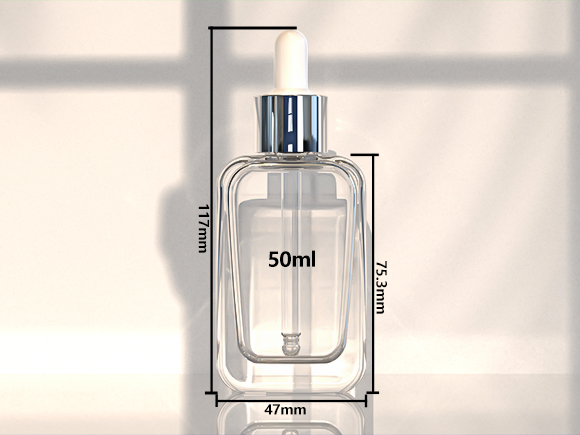
Glass dropper bottle sizes commonly range from 5 мл до 120 мл. The ideal size depends on the product type, its concentration, предполагаемое использование, and stability needs. Smaller sizes (5–30 мл) are often chosen for essential oils, сыворотки для лица, and CBD oils to maintain potency and match concentrated dosing. Larger sizes (50–100 ml) are better for products like hair serums, body oils, and toners that require more volume per application.
Bottle Size Recommendations by Product Type
-
Эфирные масла: Small, concentrated doses favor 5–30 ml bottles. We use 5-10 ml for premium oils and 30 ml for broader aromatherapy applications.
-
Facial Serums: For active ingredients like Vitamin C, 5–30 ml bottles help maintain product stability. 30 ml is a standard for daily use.
-
CBD Oil and Concentrates: Typically 5–30 ml, 30 мл (1 унция) balances portability with enough doses for sublingual tinctures.
-
Cosmetic Oils: Facial oils generally fit 10–30 ml. Body oils or multi-purpose blends use larger 50–100 ml containers due to higher application volume.
-
Hair Serums and Treatments: These often come in 50–100 ml bottles, reflecting the greater product amount needed per application for hair care.
-
Cosmetic Toners and Essences (Dropper Format): When using dropper formats, 50–100 ml bottles provide adequate volume for routine application.
-
Nutritional Supplements & Herbal Tinctures: Standard sizes are 30–60 ml (1–2 oz), offering ample doses for consistent daily supplement regimens.
-
Laboratory Reagents: A range including 10, 25, 50, и 100 ml bottles supports diverse experimental volumes, from scarce to frequently used solutions.
Practical Bottle Capacities and Their Applications
| Емкость | Приложение |
|---|---|
|
5 мл (~0.17 oz) |
Ideal for high-potency essential oils, trial serums, rare active ingredients, and precise lab micro-volumes. |
|
10 мл (~0.34 oz) |
Suitable for essential oils, sample-size serums, various lab reagents, and travel-size cosmetic oils. |
|
15 мл (0.5 унция) |
Preferred for premium facial serums, niche oils, accurate lab use, and compact consumer skincare products. |
|
20 мл (~0.68 oz) |
Often used for mid-size essential oils, сыворотки для лица, cosmetic oils, and specialized tinctures. |
|
30 мл (1 унция) |
A standard for daily-use facial serums, CBD tinctures, смеси эфирных масел, and other concentrated liquids. |
|
50 мл (~1.7 oz) |
Common for hair serums, a range of cosmetic oils (face and body), and lab reagents requiring higher volumes. |
|
60 мл (2 унция) |
Standard for nutritional tinctures, травяные экстракты, and larger consumer supplement formats. |
|
100 мл (~3.4 oz) |
Used for hair serums, тонеры, body oils, high-use cosmetic liquids, and bulk lab solutions. |
|
120 мл (4 унция) |
Represents the upper limit for dropper bottles, suitable for bulk consumer liquids, заправки, and some supplements. |
Заключительные мысли
While generic packaging may offer initial savings, compromising on quality glass dropper bottles risks product integrity and your brand’s reputation. Investing in the right amber glass and compatible dropper materials ensures your sensitive essential oils, сыворотки, and CBD maintain potency and shelf life. This strategic choice protects your product quality and reinforces long-term customer trust.
Don’t compromise your product’s performance or your brand’s promise with guesswork. Request a consultation to explore tailored options, from specific glass types and dropper materials to custom sizes that fit your unique formulations. Our experts are ready to help you finalize the ideal packaging solution.
Часто задаваемые вопросы
What type of bottle is best for essential oils?
Glass bottles are ideal for essential oils due to their non-reactive and impermeable properties, preventing contamination. Amber or cobalt blue glass is best, as it blocks UV and visible light, preserving oil potency and extending shelf life. Ensure air-tight closures to minimize oxidation and maintain aroma.
Are amber bottles better for CBD oil?
Да, amber glass bottles are superior for CBD oil. They effectively block UV and blue light, which is crucial for preventing cannabinoid degradation and oxidation. This protection helps preserve the oil’s potency, flavor, и цвет, making amber Boston round dropper bottles a standard for sensitive extracts like CBD.
Can facial serums be stored in clear glass bottles?
Clear glass bottles can store some facial serums, especially water-based or less light-sensitive ones, provided they are kept away from direct light. Однако, many serums contain light-sensitive actives like Vitamin C or retinoids, which degrade rapidly. For these, colored, матовый, or opaque glass is strongly recommended to preserve efficacy and stability.
What size dropper bottle is best for serum?
For facial serums, 15 мл (0.5 унция) bottles are best for concentrated or premium treatments, ensuring freshness with shorter use cycles. The 30 мл (1 унция) size is the most standard for full-size retail serums, balancing cost, shelf life, and user expectations. Smaller 5-10 ml bottles suit samples or high-potency boosters.
Which dropper material is resistant to essential oils?
Для эфирных масел, borosilicate or soda-lime glass pipettes are highly resistant and non-reactive. Silicone bulbs offer superior long-term chemical resistance compared to standard rubber, preventing degradation. Polypropylene (ПП) caps are common, usually paired with oil-resistant liners or gaskets to ensure a secure, compatible seal and prevent leakage.
How to choose the right glass dropper bottle?
Выбор правильного стеклянный флакон-капельница involves several steps. Первый, define your product’s sensitivity; essential oils and CBD require dark glass for light protection, while serums may need it depending on active ingredients. Select appropriate capacity based on use frequency and shelf life. Opt for glass pipette droppers for serums or euro droppers for pure essential oils, ensuring all components are oil-resistant and provide an airtight seal.