Glass dropper bottles sourcing directly impacts product integrity and brand reputation. Incorrect material or compatibility choices lead to costly product degradation and warranty claims.
Our analysis details critical specifications: 5ml to 50ml capacities, 18-20mm neck finishes, and material compatibility like amber glass for UV protection or nitrile rubber for oil-based products. This ensures optimal product integrity and cost-effective sourcing.
What Are Glass Dropper Bottles?
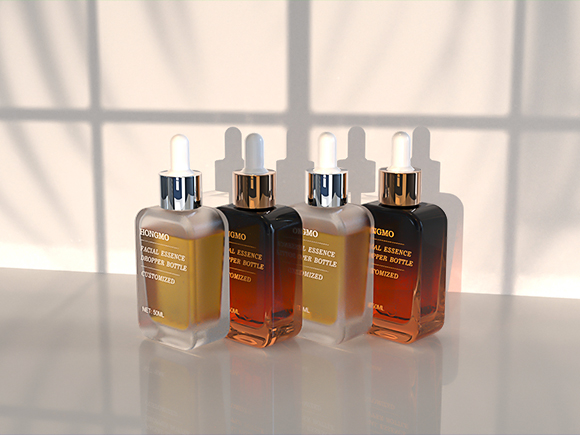
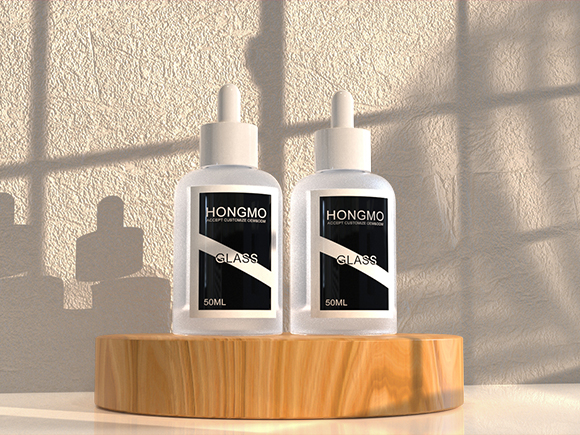
Glass dropper bottles are small containers with integrated droppers, dispensing precise liquid amounts. They are vital for skincare, essential oils, pharma, and lab use, preserving product purity.
Defining Glass Dropper Bottles and Their Core Function
Glass dropper bottles are small glass containers with an integrated dropper closure. They store and dispense liquids in precise, controlled drops.
These bottles offer accurate, repeatable dosing, minimizing waste for potent, concentrated, or high-value liquids. Think serums, tinctures, and essential oils.
Glass ensures chemical stability and product purity. This is essential for active ingredients, essential oils, and pharmaceutical formulations.
Key Components and Design Elements
A glass dropper bottle has a main glass container and a dropper assembly. The assembly includes a cap, a rubber bulb, and a pipette.
The container uses high-quality, non-reactive glass. This keeps contents safe. Common capacities range from 5ml to 50ml for various product volumes.
Dropper caps provide a secure seal. Options cover standard screw caps, child-resistant caps, and tamper-evident closures, meeting safety and regulatory standards.
Rubber bulbs come in natural rubber for water-based products or nitrile rubber for oil-based and aromatic formulas. This ensures chemical compatibility.
The pipette reaches into the liquid, allowing precise draw-up and dispensing. Some have graduations for exact dosing in pharmaceutical or laboratory contexts.
Main Types of Glass Dropper Bottles
Choosing the right glass dropper bottle means aligning material, design, and function with product needs and market demands. It is about matching the packaging to the liquid’s specific properties and application.
Bottle Shape and Design Variations
Common capacities run from 5 ml up to 50 ml, sometimes 60 ml or more. Smaller sizes work well for potent or expensive liquids. Larger sizes often suit bulk or refill applications.
Bottle shapes vary beyond the standard cylindrical. Boston round offers a classic apothecary look. Square or slim/tall designs provide distinct shelf presence, often favored by premium brands. The dropper assembly completes the package.
Functional Aspects and Intended Applications
Glass dropper bottles are all about precision. They deliver controlled, repeatable drop sizes. This cuts down on waste and contamination risk. It is especially important for concentrated serums, essential oils, and medications.
Glass offers strong chemical stability. It is non-porous and non-reactive, preserving product purity and efficacy. This makes it ideal for sensitive ingredients like essential oils, Vitamin C, or specific lab reagents that might react with plastics. Dark glass gives extra protection to light-sensitive contents.
Hygiene is another core benefit. Glass surfaces clean and sterilize easily. Tight-sealing caps limit air and moisture, reducing contamination. Glass is also recyclable and reusable. This supports eco-conscious branding and sustainability goals.
These bottles see wide use across many industries:
- Skincare and Cosmetics: Serums (Vitamin C, retinol), facial oils, and concentrates use droppers for targeted application. They protect active ingredients.
- Essential Oils and Aromatherapy: Amber or cobalt glass is standard for essential oils. This protects them from light sensitivity and volatility. Nitrile bulbs handle oils without degradation.
- Pharmaceuticals and Nutraceuticals: Liquid medications, eye drops, CBD oils, and tinctures rely on droppers for accurate, regulated dosing. This often means pharmaceutical-grade glass, child-resistant caps, and graduated pipettes.
- Herbal Extracts and Wellness: Botanical tinctures and homeopathic remedies benefit from precise dosing and protection for bioactive compounds.
- Haircare and Personal Care: Scalp treatments and beard oils use droppers for exact application to specific areas.
- Laboratory Uses: Reagents and specialty chemicals benefit from glass’s inertness and controlled, dropwise dispensing in lab settings.
Secure High-Quality, Custom Glass Packaging Faster
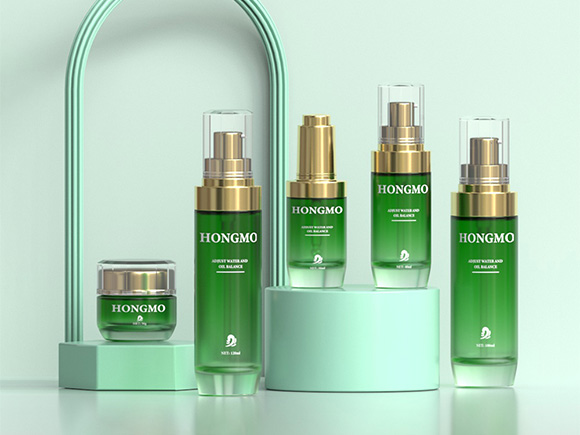
Common Glass Colors and Their Uses
Glass color impacts product protection and visibility. Amber glass blocks harmful light for sensitive formulas, while clear glass showcases contents for stable products.
Amber Glass Dropper Bottles
Amber glass is produced by adding carbon, iron, and sulfur to base glass. This creates a tone that strongly filters light, blocking almost all wavelengths under 450 nm, including UV and a large portion of blue light. This provides protection across the 10–400 nm UV range.
This type of glass offers excellent UV protection and is an industry standard for light-sensitive contents. It is ideal for essential oils and aromatherapy blends, which are highly susceptible to oxidation and UV degradation. It protects their therapeutic value. Amber glass is commonly used for light-sensitive pharmaceutical and nutraceutical drops to preserve potency, aligning with regulatory acceptance. It is also recommended for herbal tinctures and botanical extracts to extend shelf life and preserve bioactive components.
Clear Glass Dropper Bottles
Clear glass offers complete visibility of contents. It provides no UV protection, transmitting all light, including UV and blue wavelengths that accelerate oxidation and degradation. While chemically non-reactive, the primary risk to contents stems from light exposure, not interaction with the glass itself.
This type of bottle is best for showcasing contents where color is a key selling feature, such as colorful beauty serums or decorative blends. It is suitable for fast-moving or frequently used formulations where the risk of long-term light degradation is lower, especially with proper storage. Brands also use it for stable formulations with low light sensitivity when maximizing visibility is the goal.
Parts of a Glass Dropper Bottle Explained
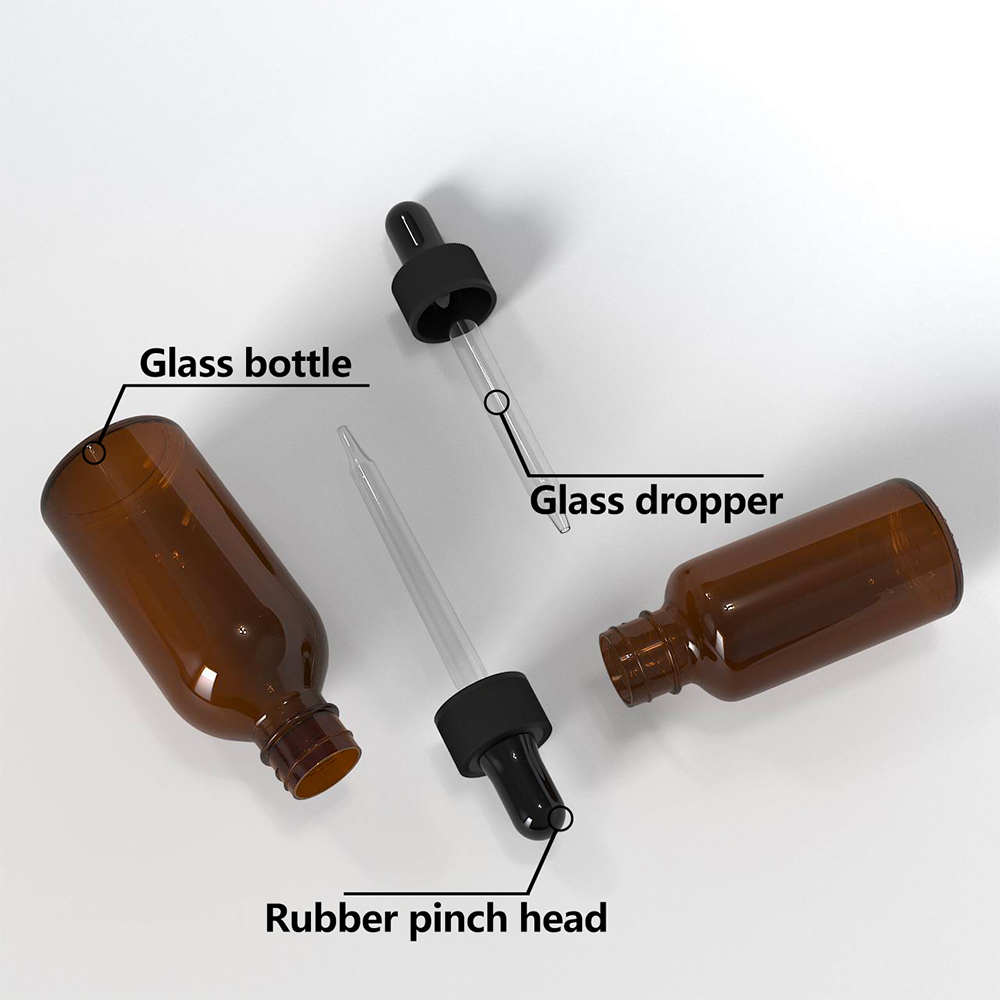
Glass dropper bottles provide precision liquid dispensing. Each bottle consists of a glass vial and a multi-part dropper assembly, ensuring controlled drops and product stability.
Glass Vial: Anatomy, Materials, and Properties
The glass vial, or bottle body, is the primary container that holds the liquid. Its structure includes several distinct parts. The body is the largest section. It narrows into the shoulder, which connects to the neck. The neck leads to the mouth, or finish, where the dropper assembly attaches via threads. The base provides stability and strength for the entire unit.
For materials, bottles usually use high-quality, non-reactive glass. Soda-lime glass is common for cosmetics and essential oils. Borosilicate glass offers higher heat and chemical resistance for laboratory and pharmaceutical uses.
Glass is chemically inert. It does not react with or leach into the contents, important for sensitive ingredients. It also provides excellent barrier properties, minimizing gas permeability. This helps maintain product integrity.
Dropper Assembly: Dispensing System and Seal
The dropper assembly is the functional part that draws liquid from the vial and dispenses it. It usually includes four main components: the cap, bulb, pipette, and sometimes specific tip designs with cap liners.
The cap screws onto the bottle neck. It secures the bulb and pipette, creating a mechanical seal. Caps are often plastic (polypropylene) or metal. They come in standard screw cap, child-resistant (CRC), or tamper-evident (TE) versions, depending on safety needs. Neck sizes like 18mm, 20mm, and 22-24mm ensure proper fit with caps (e.g., 18-410 thread). Liners inside the cap provide a crucial leak-prevention barrier.
The bulb, a flexible part at the top, creates suction. When squeezed and released, it draws liquid into the pipette. Natural rubber works for water-based products, but nitrile rubber (NBR) is standard for oil-based or aromatic products because it resists oils and solvents better.
The pipette is the thin tube extending into the liquid. It draws up the product and releases it drop by drop. Glass pipettes are most common, matching the bottle’s inertness. Plastic pipettes appear in some cost-sensitive applications. Pipette length must match the bottle’s capacity (e.g., about 77mm for a 1 oz bottle). This ensures efficient product draw-down without hitting the base. The tip’s design controls drop volume and flow rate, fine-tuning performance for different liquids.
Standard Sizes and Neck Finishes
Picking the right dropper bottle means matching capacities and neck finishes. This ensures secure seals and effective product dispensing.
Glass dropper bottles range from 15 ml to 120 ml. They fit various product concentrations and volumes.
Small 5–10 ml sizes are good for small-dose applications, specialty liquids, and product samples.
15 ml (0.5 oz) is a popular small format for facial serums, essential oils, and potent skincare treatments.
30 ml (1 oz) is a widely used retail size for serums, essential oils, and concentrated cosmetic formulas.
50–60 ml (2 oz) options are common medium sizes for daily-use skincare, haircare, tinctures, and wellness products.
Large 100–120 ml (3.4–4 oz) formats work best for bulk formulas, refills, and professional-grade packaging.
How to Choose the Right Glass Dropper Bottle
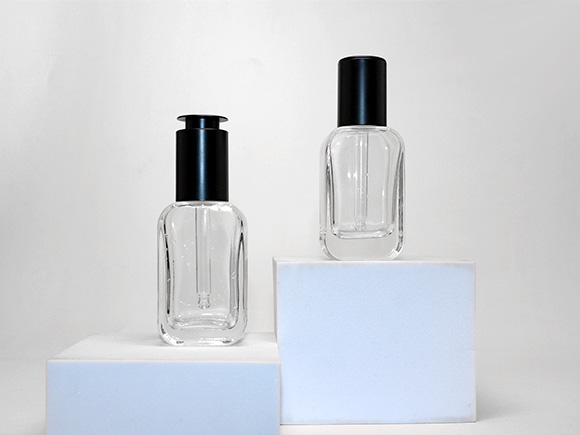
Selecting the right glass dropper bottle demands a precise match between liquid properties, dosing needs, brand goals, and compliance requirements.
Choosing the right glass dropper bottle involves a detailed assessment of multiple factors. You need to align the bottle and dropper system with your product’s formula, intended use, brand strategy, and all relevant regulatory standards.
| Decision Factor | Key Considerations |
|---|---|
| Product Chemistry | Check chemical inertness needs, pH, solvent content (oil-based vs. alcohol-based), and light sensitivity (UV, blue light). |
| Dosing & Use Case | Determine required dose accuracy (micro-dosing for potent actives), usage frequency (daily vs. occasional), and target viscosity (thin vs. thick). |
| Bottle Size & Color | Consider capacity (5-100ml for serums, oils, tinctures), light protection needs (amber for sensitive formulas), aesthetic preference (clear for visual appeal), and regional market norms. |
| Dropper & Closure | Ensure neck finish compatibility, appropriate pipette length, correct bulb material (nitrile for oils), safety features (child-resistant, tamper-evident), and tip design (orifice size for viscosity). |
| Brand & Operations | Align with brand positioning (luxury, clinical, natural), user ergonomics, regulatory certifications (FDA, ISO), supplier quality, bulk purchasing, and filling line compatibility. |
Define Product Use-Case and Dosage
Start by understanding your product’s purpose and how it will be used. This drives bottle format decisions. Highly concentrated serums and facial treatments work best in smaller bottles (15–30 ml / 0.5–1 oz) for controlled dosing and to keep them fresh. Essential oils and high-potency skincare also fit well in 15 ml and 30 ml droppers. Wellness tinctures and liquid supplements often use 30 ml, 50 ml, or 100 ml bottles since people take them daily. Eye drops or very small-dose actives usually need 5 ml, 10 ml, or 15 ml bottles for precise administration. Hair oils and refills often use larger 50–60 ml or 100 ml+ droppers. If your product is too thick for a pipette, like a balm or cream, you need a jar or pump bottle instead of a dropper bottle.
The frequency of use also matters. For daily use products like tinctures or serums, 30–50 ml is convenient and means fewer refills. For occasional use, like spot treatments or essential oils, 5–15 ml reduces waste and keeps the product fresher. Smaller bottles also signal precision and premium quality for short treatment courses.
Choose Bottle Size and Capacity
Common glass dropper bottle sizes are:
- 5 ml: High-potency actives, samples, essential oils with tiny dose needs.
- 10 ml: Eye drops, aromatherapy blends, trial skincare, concentrated actives.
- 15 ml: Facial serums, essential oils, targeted skincare, travel sizes.
- 30 ml (1 oz): Standard facial serum size, tinctures, skincare oils, CBD/wellness drops.
- 50 ml: Hair oils, body serums, wellness tinctures with higher daily dose.
- 60 ml (2 oz): Daily-use wellness products, U.S.-style tinctures and cosmetic oils.
- 100 ml+ (3.3 oz and above): Bulk refills, professional back-bar use, multi-use blends.
A 30 ml dropper bottle usually measures about 3.5–4 inches (9–10 cm) high and approximately 3 cm in diameter. This size balances handling with shelf presence. A 15 ml bottle is around 2.8–3 inches (7–7.5 cm) high with a 2.5 cm diameter, making it compact and suitable for travel, especially for facial serums and essential oils.
Select the Correct Neck Finish, Closure, and Pipette
The bottle’s neck finish defines the thread size and style. Your closure, which is the dropper cap, needs to match this exactly. Always match the bottle neck finish to the cap/dropper finish to ensure proper sealing and to avoid leaks.
The pipette (glass tube) length must also fit the bottle height for accurate dosing and user satisfaction. Standard pipette lengths include approximately 77 mm for a 1 oz bottle, 89 mm for a 2 oz bottle, and 109 mm for a 4 oz bottle.
When choosing the closure, consider standard droppers for most cosmetic and non-hazardous wellness products. Child-resistant (CR) droppers are necessary for pharmaceuticals, CBD, and certain supplements or hazardous liquids. These caps meet child-resistance regulations. Tamper-evident bands or seals show if the bottle has been opened, which is important for pharmaceuticals and ingestible wellness products.
Consider Product Integrity, Safety, and Compliance
For tinctures and herbal extracts, glass is the gold standard because of its stability and protection against interactions that might occur with plastics. To keep product integrity, use amber glass or other protective colors if the product is light-sensitive. Ensure a tight seal between the closure and neck finish to prevent oxidation and evaporation.
When sourcing glass bottles with droppers wholesale, work with suppliers who meet recognized standards. Look for FDA-compliant materials for bottles and closures used with ingestible products. Seek ISO-certified manufacturers for quality and repeatability. For pharmaceuticals and some nutraceuticals, check for additional regulatory requirements like GMP and specific child-resistance standards.
Common Applications in Cosmetics and Essential Oils
Glass dropper bottles are critical for cosmetics and essential oils. They deliver precise dosing, strong product protection, and a premium brand image for valuable formulas.
Applications in Cosmetic Products
The beauty industry widely uses glass dropper bottles for facial serums and treatment concentrates. Droppers allow small, controlled doses, preventing irritation and waste for high-concentration actives. Glass maintains chemical stability, especially for acids and antioxidants that react with plastics.
Facial and body oils, including argan, rosehip, squalane blends, and beard oils, also rely on glass droppers. Oils often contain volatile components, making glass critical for stability. Precise drop-by-drop application helps users adjust dosage by skin type. This minimizes over-application and optimizes product performance.
Applications in Essential Oil Products
Pure essential oils, such as lavender, peppermint, and tea tree, are highly concentrated, volatile, and light-sensitive. Glass dropper bottles provide accurate dosing for direct use, dilution, or diffusers. Glass prevents interaction between the oil and container, avoiding chemical leaching common with some plastics.
Essential oil blends and aromatherapy formulations also benefit from glass droppers. These products, like pre-mixed diffusion blends or topical aromatherapy oils, need precise aromatic or therapeutic dosing. Glass allows controlled drop counts into diffusers, baths, or massage oils, maintaining blend consistency and potency.
Why Brands Choose Custom Glass Dropper Bottles
Brands choose custom glass dropper bottles to protect product quality, build a strong identity, improve customer experience, and meet sustainability goals.
High-quality glass packaging acts as a brand calling card. It shows quality and a unique identity right away.
Custom shapes, surface finishes (frosted, matte, electroplated), and decoration create a distinct visual signature for brand differentiation.
Customized droppers, bulbs, and cap styles (metal, wood) reinforce brand aesthetics and fit specific category norms.
Consistent glass dropper designs across product lines create a recognizable brand aesthetic and make it easier for customers to find things.
Visually impactful glass packaging improves product photography, unboxing experiences, and social media appeal, which helps e-commerce.
Final Thoughts
Your choice of glass dropper bottles is a direct investment in product stability and brand reputation. Generic or mismatched options lead to compromised formulas and lost customer trust, making precision and material compatibility non-negotiable for sustained market success.
Ready to move forward with packaging that truly performs? Reach out for samples to experience our quality firsthand, or connect with our team to discuss tailored OEM solutions for your unique product lines.